

Blog
Hub loco vs.. Eje frenado: ¿Cuándo necesita legalmente su remolque frenos??

Hub loco vs.. Eje frenado: ¿Cuándo necesita legalmente su remolque frenos??
Hace dos años, a trailer builder in Queensland sent us an order for fifty unbraked axles. Before we cut the steel, I asked one question: «What will these trailers be plated at?» He checked his drawings and went quiet. His trailers were rated at 1,200 kilos — well past Australia’s 750 kg unbraked limit. Had we shipped that order as written, every trailer he built on those axles would have been illegal to register. Whether a trailer needs brakes is rarely a matter of preference or budget — it is written into road law, and the line is drawn by weight.
The brake question is answered by weight and geography — not by guesswork.
What is the difference between an idler hub and a braked axle?
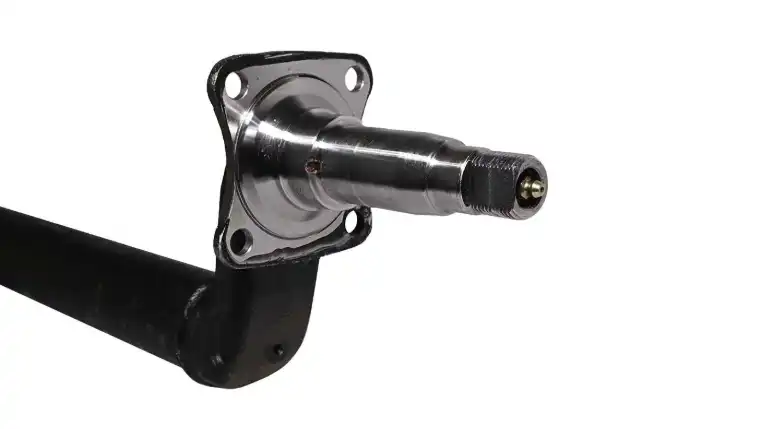
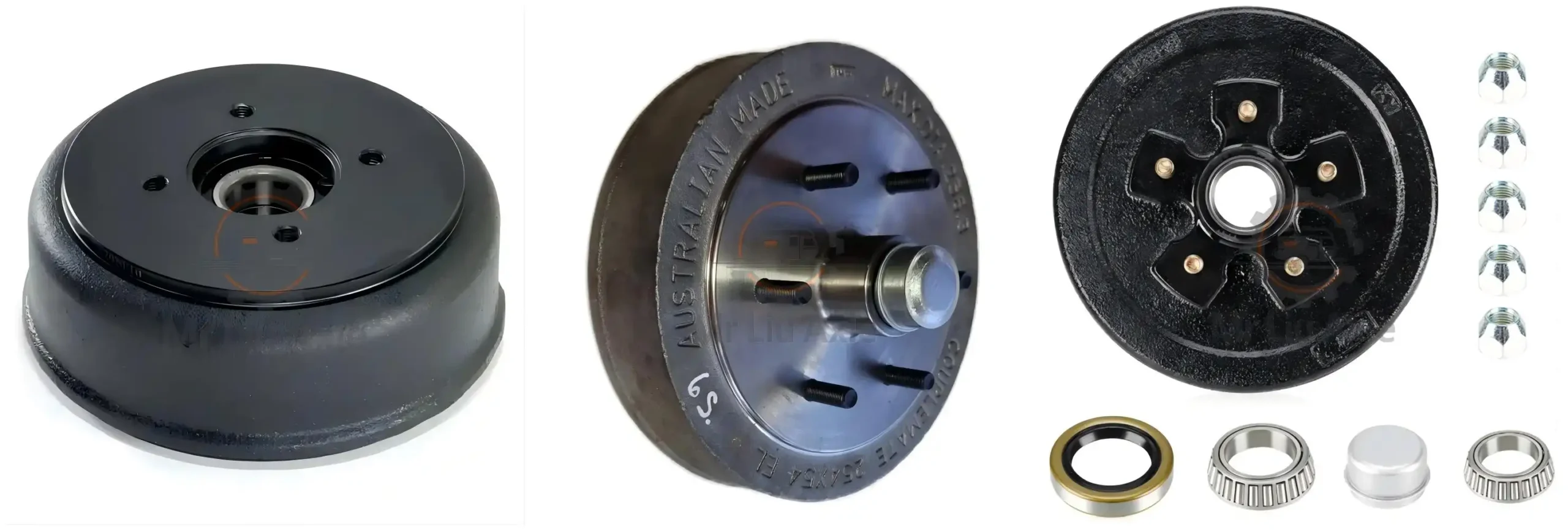
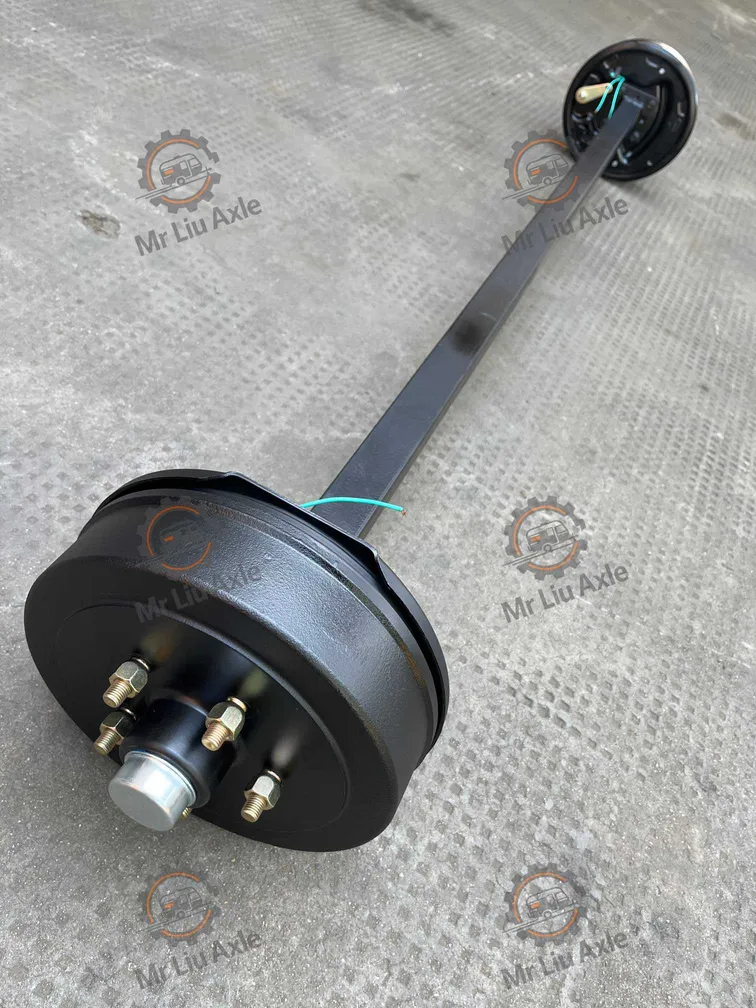
Un idler hub is exactly what it sounds like: a hub that idles. It contains bearings, a seal, and a dust cap — and nothing else. No brake drum, no magnet, no actuator. The wheel simply spins, and all of the stopping work falls on the tow vehicle’s brakes. Idler hubs are simple, inexpensive, and nearly maintenance-free, which is why they are the default choice wherever the law allows.
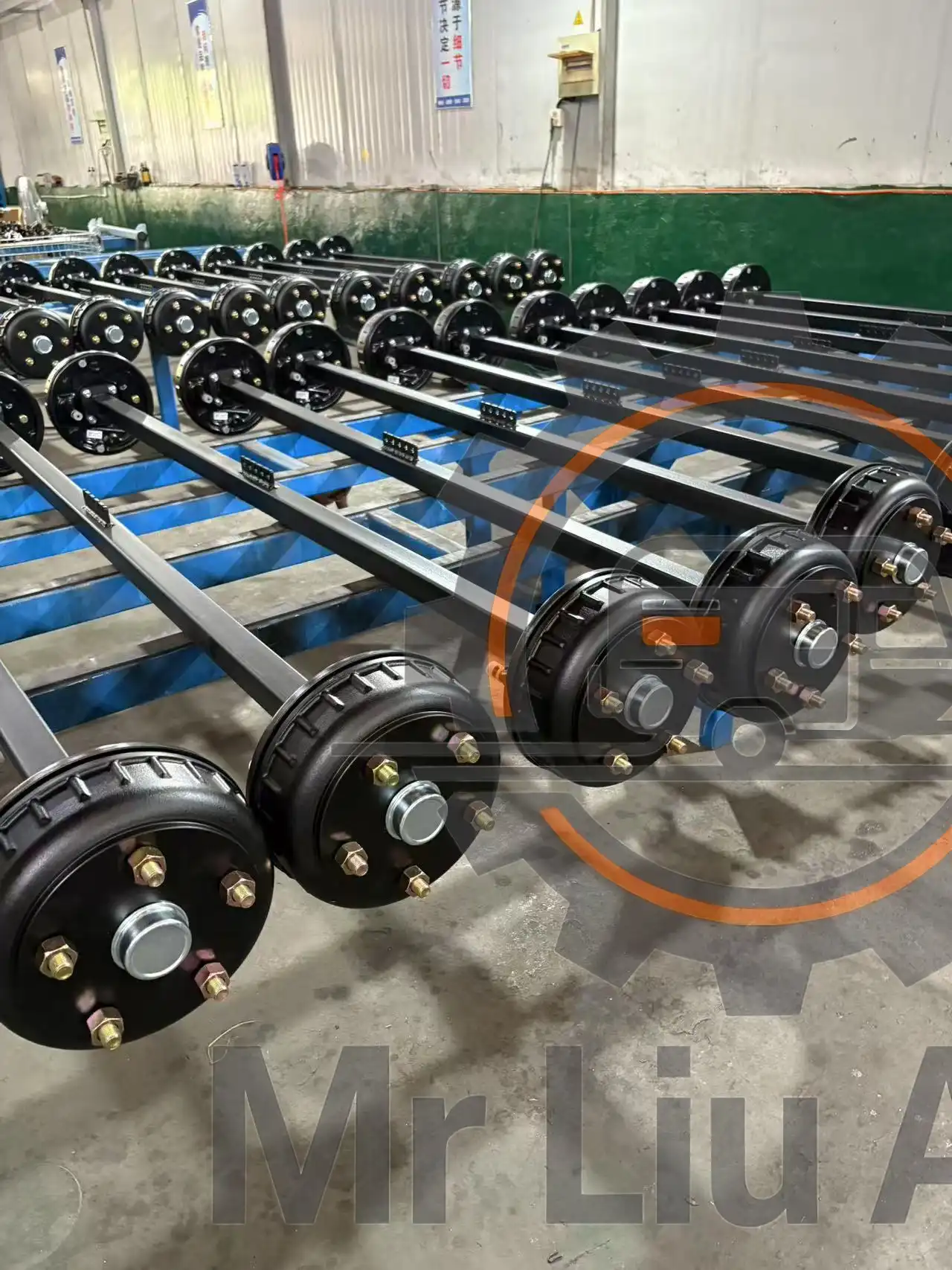
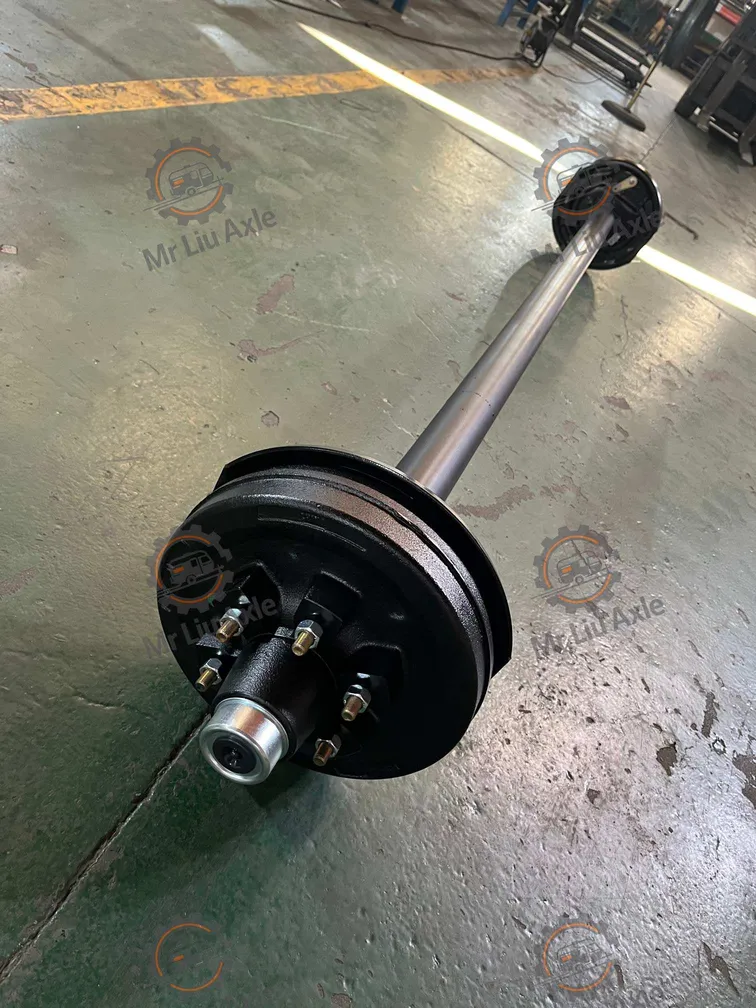
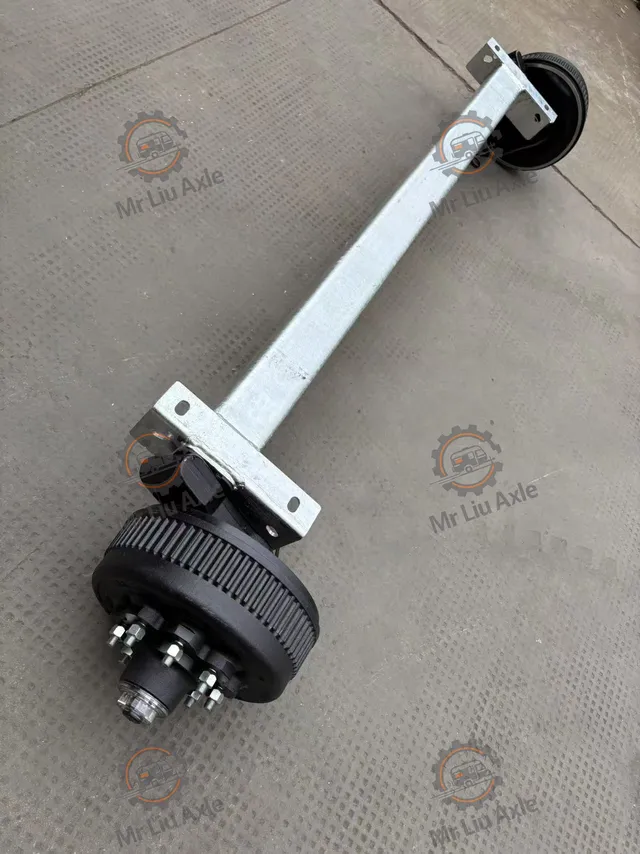
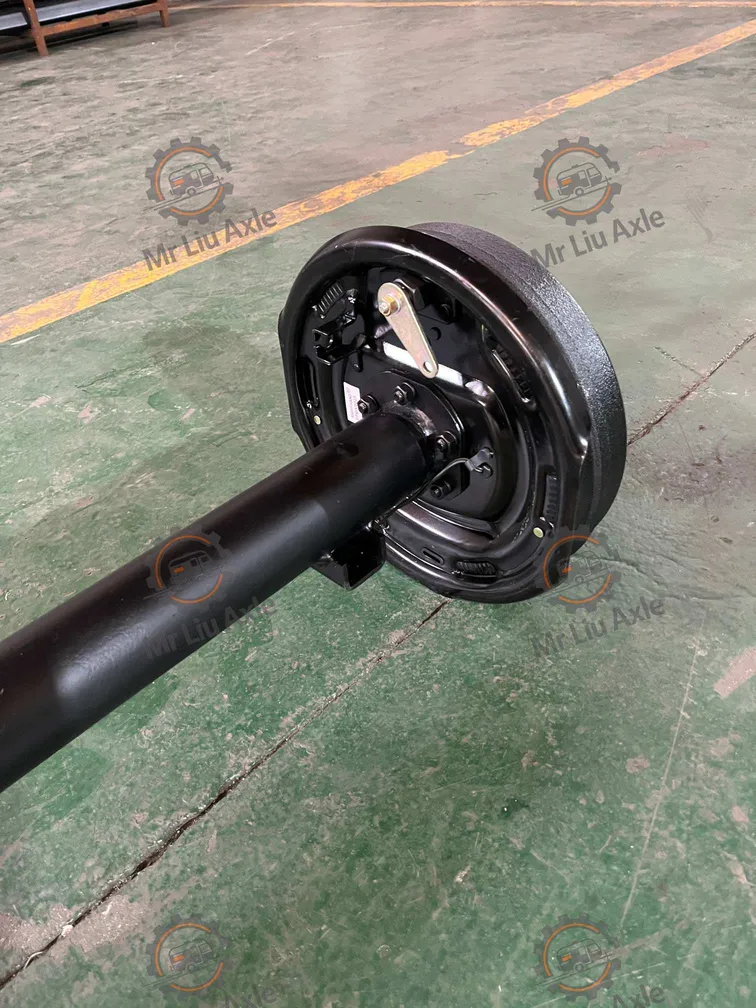
A braked axle carries the hardware to slow the trailer itself: brake drums or discs, plus an actuation system. Depending on the market, that is an electric magnet with a brake controller in the cab (common in the US), a hydraulic surge actuator (common on boat trailers), or a mechanical overrun coupling that uses the trailer’s own momentum (the European standard).
The hardware difference is simple. The legal difference is where buyers get caught out.
When does a trailer legally need brakes?
What is the trailer brake law in the United States?
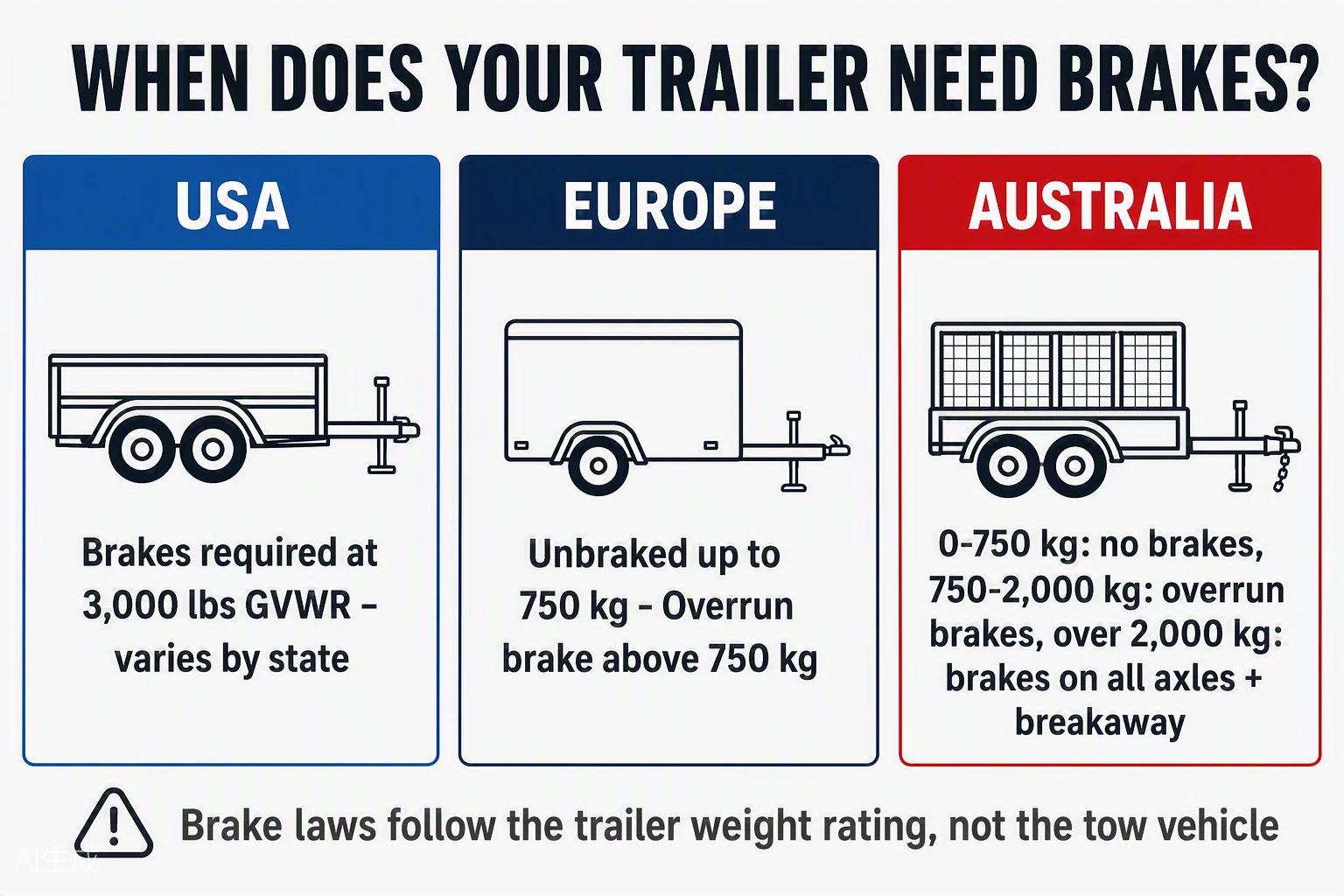
There is no single federal weight threshold — each state sets its own. The most common line is 3,000 libras GVWR, but the range runs from 1,500 libras (California, Idaho, Nevada) arriba a 10,000 lbs in one outlier state, and two states technically require brakes on every trailer regardless of weight. Many states also mandate a breakaway system — a battery-backed device that locks the trailer brakes if the trailer separates from the tow vehicle.
The practical rule: if your trailers cross state lines, build to the strictest state on the route. El AAA Digest of Motor Laws trailer brake summary maintains the state-by-state thresholds and is the reference we point customers to.
What is the trailer brake law in Europe?
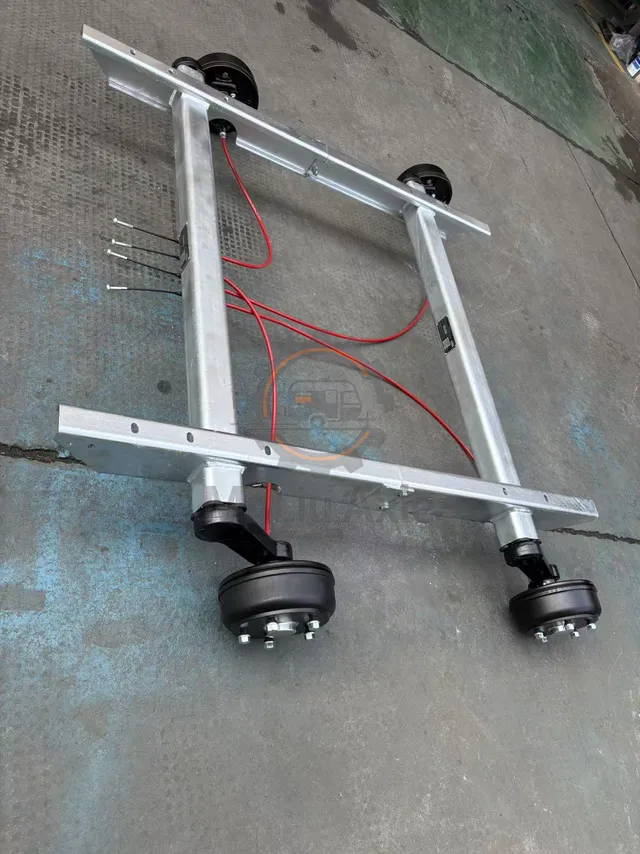
Across the EU, the rule is remarkably consistent: trailers up to 750 kilos may run unbraked; above that, an invadir (inercia) freno is mandatory. The overrun coupling is elegantly mechanical — when the tow vehicle slows, the trailer pushes against the hitch, compressing a sliding drawbar that applies the trailer’s drum brakes. No wiring, no controller, which is one reason European trailer builders rarely spec electric brakes at all.
What is the trailer brake law in Australia?
Australia’s ADR-based system splits trailers into three bands: arriba a 750 kilos, no brakes required; de 750 kilogramos a 2,000 kilos, an overrun brake on at least one axle; arriba 2,000 kilos, brakes on all axles plus an independent breakaway system that can hold the trailer on its own. It is the most prescriptive of the three markets — and the one where we see the most ordering mistakes.
Quick reference: brake thresholds at a glance
| Market | Unbraked Limit | Above the Limit |
|---|---|---|
| EE.UU | Typically under 3,000 libras (varies 1,500–10,000 by state) | Brakes required; breakaway system in many states |
| Europa | 750 kilos | Overrun (inercia) brake mandatory |
| Australia | 750 kilos | 750–2,000 kilos: overrun brakes; over 2,000 kilos: brakes on all axles + breakaway |
Are trailer brakes worth it even when the law doesn’t require them?
Legal minimums are a floor, not a recommendation. Even where an idler setup is permitted, a braked axle often earns its cost back:
- Stopping distance. An unbraked 2,500 lb trailer can add 20–30% to your combination’s emergency stopping distance. On wet pavement, más.
- Tow vehicle wear. Every unbraked stop is paid for by the tow vehicle’s pads, rotors, and transmission on descents.
- Insurance and liability. After a rear-end collision, investigators check whether the trailer met — or merely skirted — brake requirements. «Technically legal» is a weak position in a courtroom.
- Resale value. Braked trailers sell faster and hold value better; commercial buyers often won’t consider unbraked units at all.
If your trailer sits anywhere near a threshold — say, 2,800 lbs of boat, fuel, and gear on a 3,000 lb limit — build with brakes. Loads grow; ratings don’t.
En nuestro taller
Después 20 años de construcción de ejes, our first question on any order is never about steel or price — it’s «where will this trailer be registered?» The answer determines the brake configuration before anything else gets drawn. For builds that legally qualify for unbraked running, nuestro trailer hub range includes multiple idler hub options in the common bolt patterns and load ratings. For everything above the threshold, we configure the brake system to the destination market — electric for the US, overrun for Europe, ADR-compliant for Australia.
The Queensland builder I mentioned at the start? We re-quoted his order with braked axles, his trailers passed registration without a remark, and he’s been a customer ever since. One question, asked early, saved him a container of unusable steel.
Preguntas frecuentes
When does a trailer legally need brakes?
Once it passes its market’s weight threshold: 3,000 lbs GVWR in most US states (1,500–10,000 lbs depending on the state), o 750 kg in Europe and Australia. Australia additionally requires brakes on all axles plus a breakaway system above 2,000 kilos.
What is the difference between an idler hub and a braked axle?
An idler hub contains only bearings, a seal, and a dust cap — the trailer has no brakes and the tow vehicle does all the stopping. A braked axle adds drums or discs plus an actuation system (eléctrico, aumento, or overrun) so the trailer brakes itself.
Do I need a breakaway system on my trailer?
In many US states, Sí — it is required once brakes are mandated, and it locks the trailer brakes if the trailer separates from the tow vehicle. Australia requires an independent breakaway system on trailers over 2,000 kilos.
Is it worth adding brakes to a trailer that is legally unbraked?
Often yes. An unbraked 2,500 lb trailer can add 20–30% to emergency stopping distance, accelerates tow vehicle brake wear, and weakens your liability position after an accident. If your loaded weight is anywhere near the legal threshold, build with brakes.
Not Sure Which Side of the Line Your Build Falls On?
Tell us your trailer’s target weight and destination market, and we will confirm whether an idler or braked configuration is the right call. Browse our trailer hub and idler hub options, or send your drawings for a factory-direct quote — la mayoría de las respuestas salen dentro 24 horas.