

Blog
Importación de ejes de remolque de China: Una guía para distribuidores

Importación de ejes de remolque de China: Una guía para distribuidores
Importar ejes de remolque desde China puede reducir su coste unitario en un 25–40% en comparación con el abastecimiento nacional — pero solo si lo haces bien. La diferencia entre un suave, cadena de suministro repetible y un error costoso se reduce a la preparación. Verificación de proveedores, validación de muestra, logística de envío, estructura de pago, y el control de calidad no son una ocurrencia tardía. ellos son la base.
En el Sr. Liu Axle, Hemos estado exportando ejes de torsión y conjuntos de ejes de resorte a fabricantes y distribuidores de remolques pequeños y medianos en toda América del Norte., Europa, y Australia durante años. Cada mercado tiene expectativas diferentes, diferentes estándares, y diferentes tipos de remolques. La siguiente guía se basa en lo que hemos aprendido trabajando con compradores que importan con éxito conjuntos de ejes en volumen. — y por lo que hemos visto, las cosas salen mal cuando los compradores se saltan lo básico.
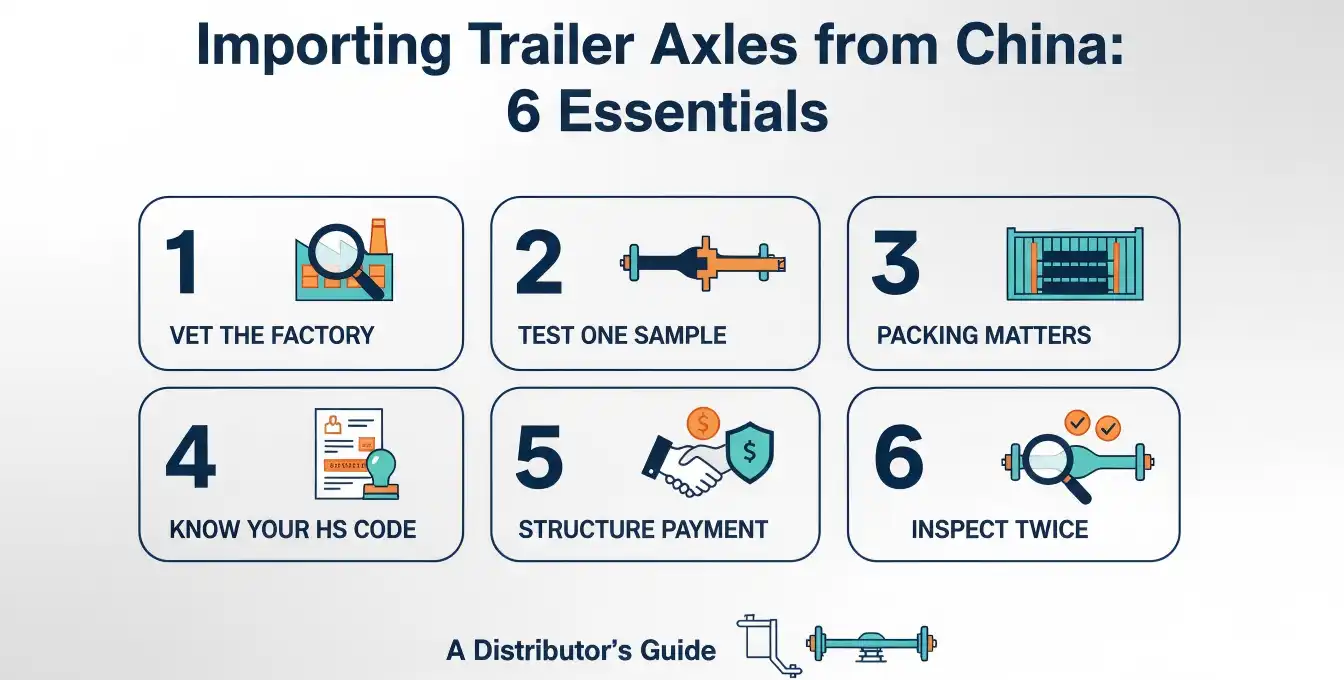
1. Selección de proveedores: Separar las fábricas de los corredores
No todas las empresas anuncian «ejes de remolque» en una plataforma B2B posee una fábrica. Las empresas comerciales y los corredores a menudo se hacen pasar por fabricantes., aumentar los precios en un 15–30% mientras agrega valor cero. Peor, no pueden controlar la calidad, ajustar las especificaciones, o garantizar la trazabilidad porque no tocan el proceso de producción.
A continuación se explica cómo seleccionar a un proveedor potencial:
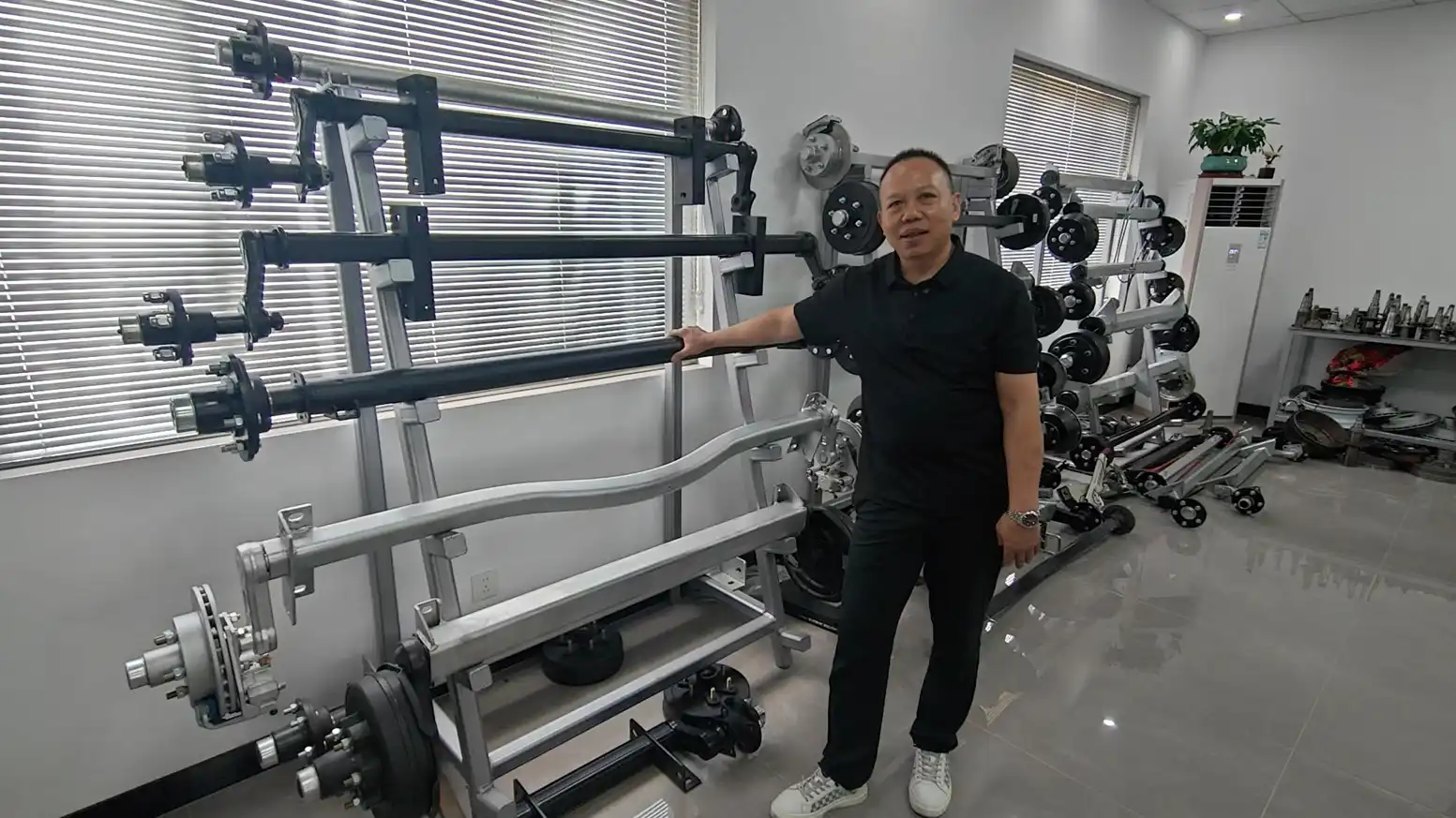
- Solicite una videollamada a fábrica. Un fabricante real le guiará por el taller a través de un vídeo en directo.. Busque máquinas CNC, estaciones de soldadura, líneas de montaje de frenos, tanques de galvanización o cabinas de pintura, e inventario de productos terminados. Pídales que levanten una hoja de papel con la fecha de hoy en el marco.. si se niegan, demora, o enviar un vídeo pregrabado sin forma de verificar que esté actualizado, ser cauteloso
- Haga preguntas sobre materiales específicos. ¿Qué calidad de acero utilizan para el tubo del eje?? ¿Qué calidad de acero para el husillo?? Que marca de rodamientos instalan? ¿Cuál es su rango de espesor de galvanizado?? Respuestas vagas como «acero de alta calidad» o «rodamientos de marcas famosas» son banderas rojas. Una fábrica real conoce las especificaciones de sus materiales.
- Compruebe cuánto tiempo llevan en el negocio.. Las nuevas fábricas pueden producir buen trabajo, pero la longevidad sugiere procesos estables, clientes habituales, y salud financiera. Preguntar por referencias de exportación — no los domésticos, que son más difíciles de verificar
- Verifique que su gama de productos se ajuste a sus necesidades. Una fábrica que construye de todo. (ejes, enganches, gatos, ruedas, alambrado) puede ser una empresa comercial generalista. Un fabricante de ejes centrado debe tener familias de productos claras: ejes de torsión, ejes de resorte, variantes con y sin freno, con rangos de carga claros y capacidades dimensionales
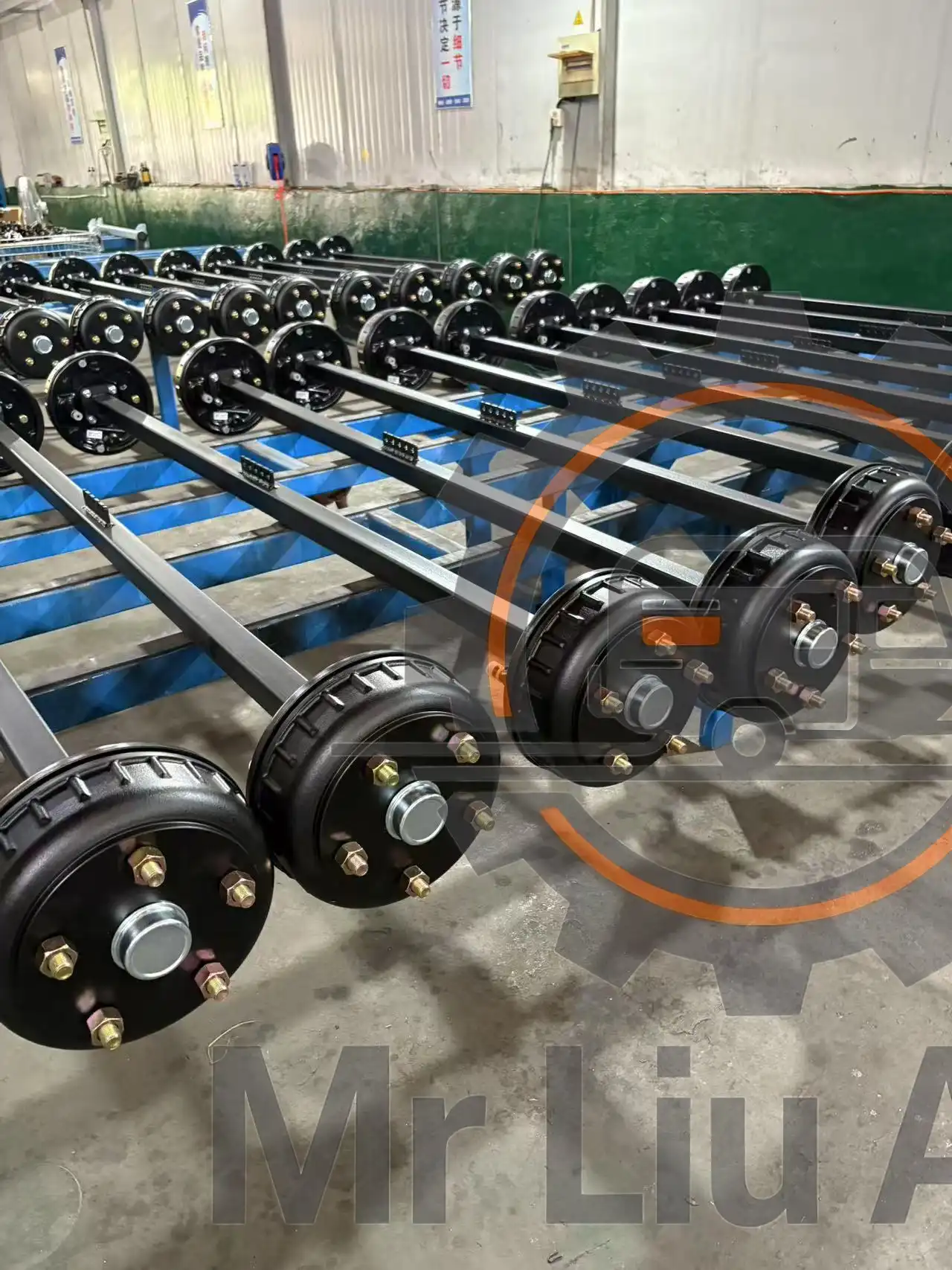
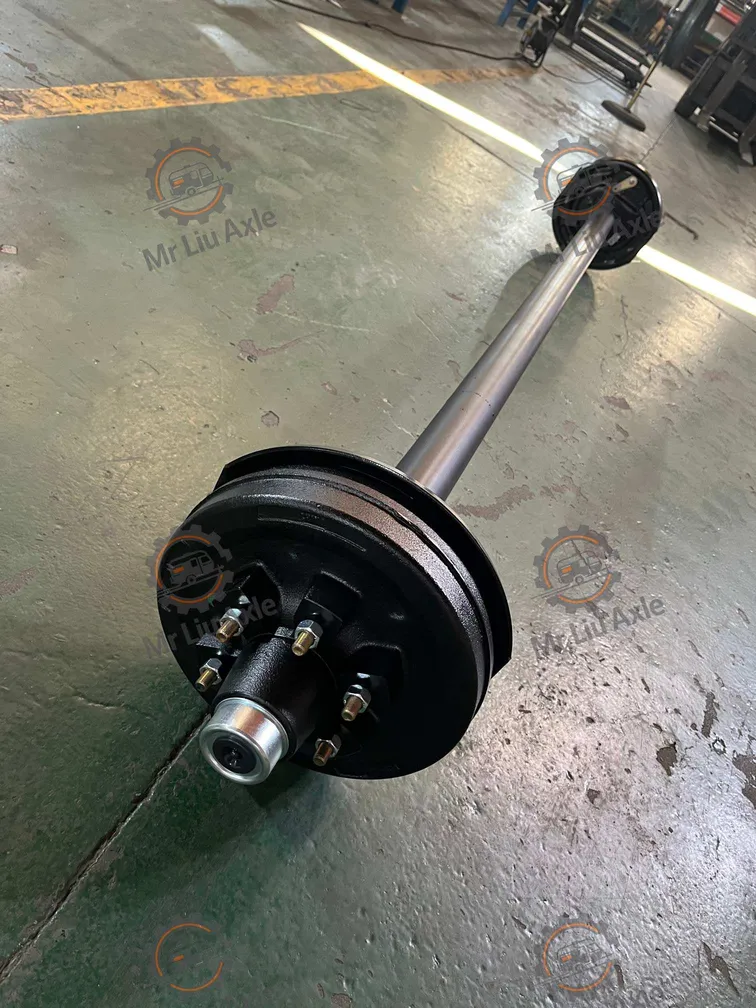
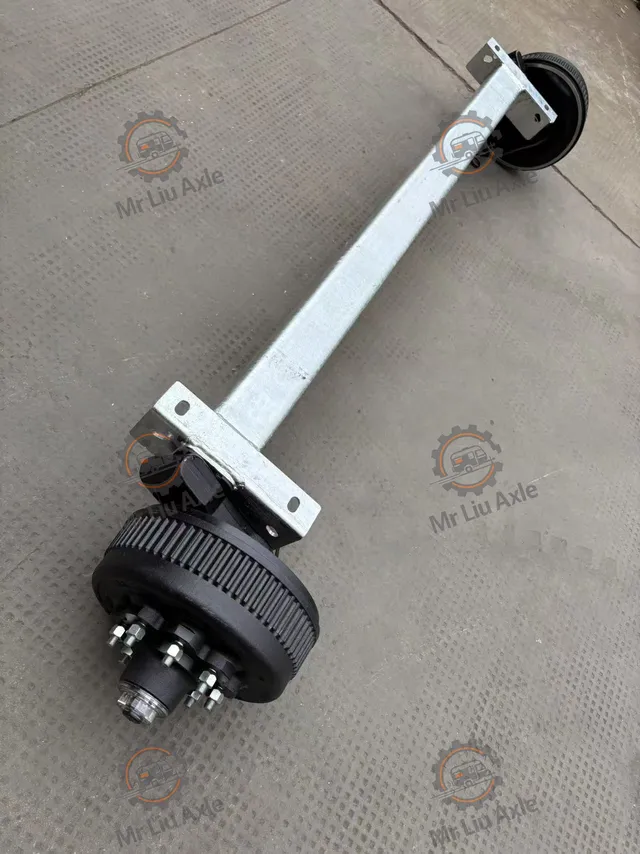
En el Sr. Liu Axle, nosotros fabricamos ejes de torsión y ejes de resorte — ese es nuestro enfoque. Desarrollamos nuestras propias matrices de tubos de acero para la producción de ejes., Utilizamos rodamientos Sling y Wanxiang Group de fabricantes listados., y galvanizamos en caliente a 60–100 micrones. Podemos guiarlo a través de nuestro taller mediante una llamada en vivo cualquier día hábil..
2. Pruebas de muestra: Nunca te saltes este paso
El error más caro al importar es saltarse la fase de muestra. Un distribuidor que realiza un pedido de contenedor completo basándose en fotografías y un catálogo en PDF está apostando. Un distribuidor que prueba un eje, lo valida en su propio chasis de remolque, y confirma las dimensiones, Ajuste del freno, y cargar el marcado antes de ampliar — ese distribuidor ha controlado su riesgo.
Lista de verificación de prueba de muestra:
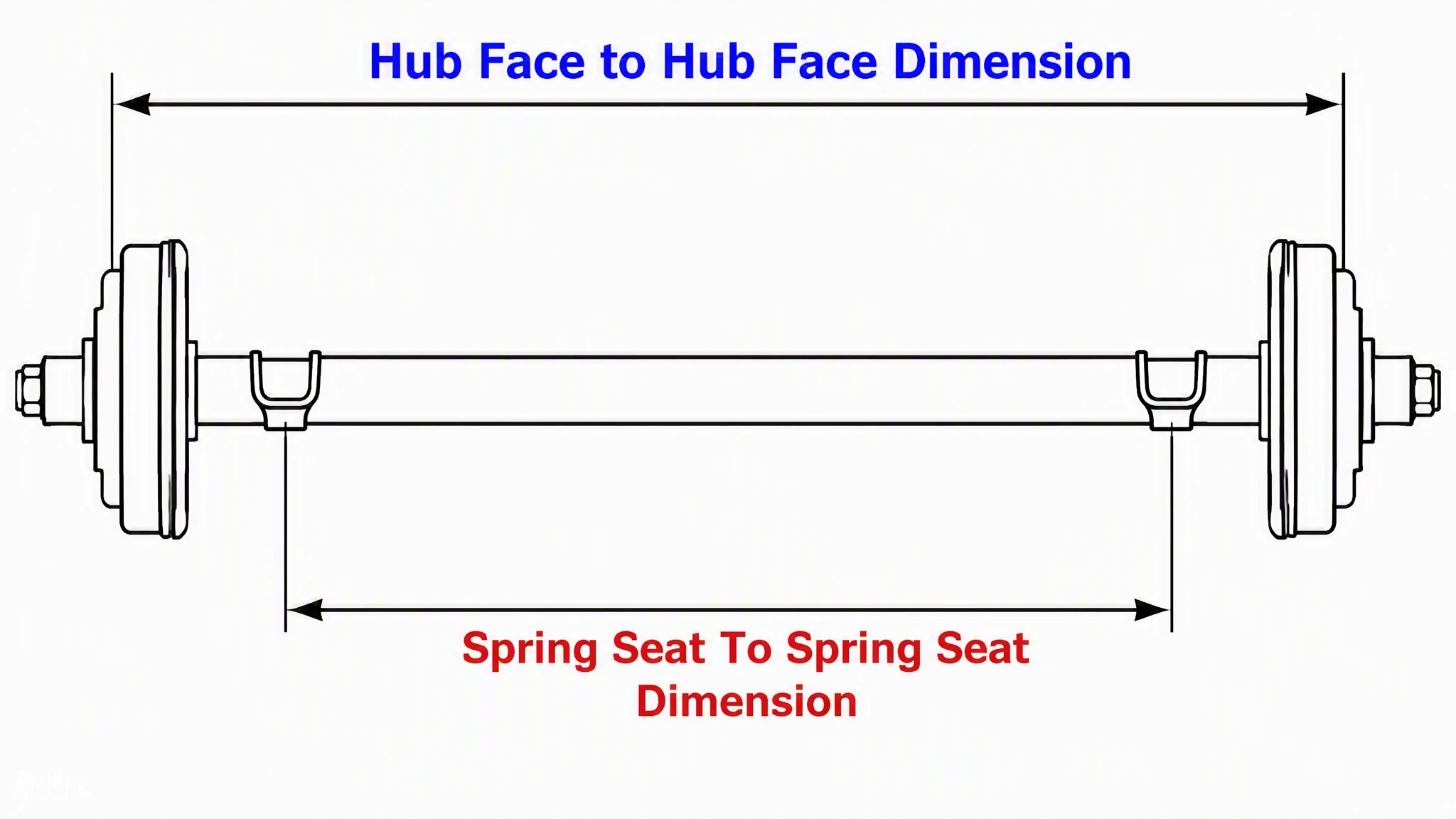
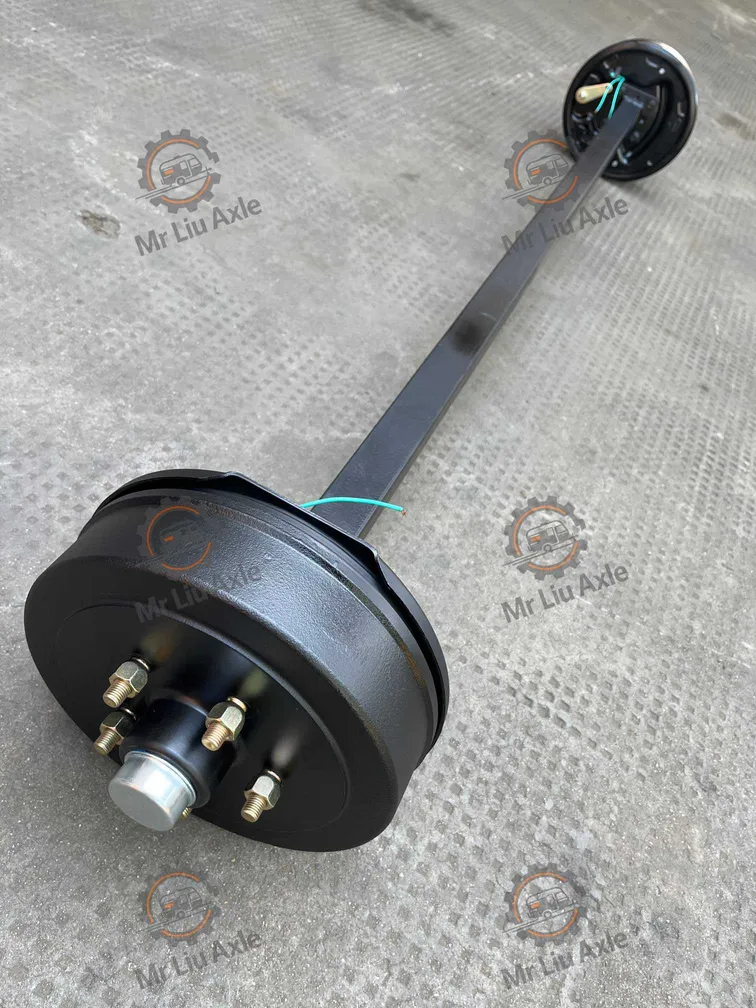
- Precisión dimensional: Medir el ancho de la cara del cubo, espaciado entre centros de resorte, y longitud total con pinzas. Comparar con la hoja de especificaciones. Incluso un 3 La desviación de mm puede significar la diferencia entre un ajuste atornillado y una modificación en taller.
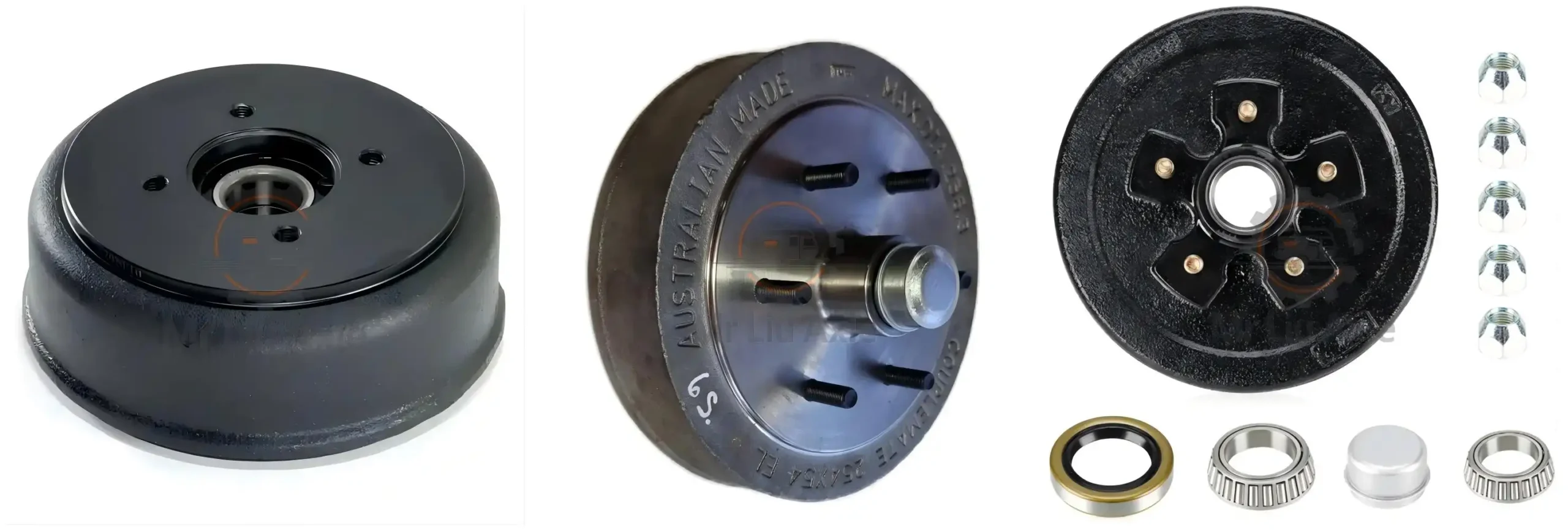
- Prueba de giro del rodamiento: Monte el cubo en el eje y gírelo con la mano.. Liso, silencioso, juego lateral cero. si muele, clics, o se tambalea, la precarga del rodamiento es incorrecta o el rodamiento en sí no es estándar
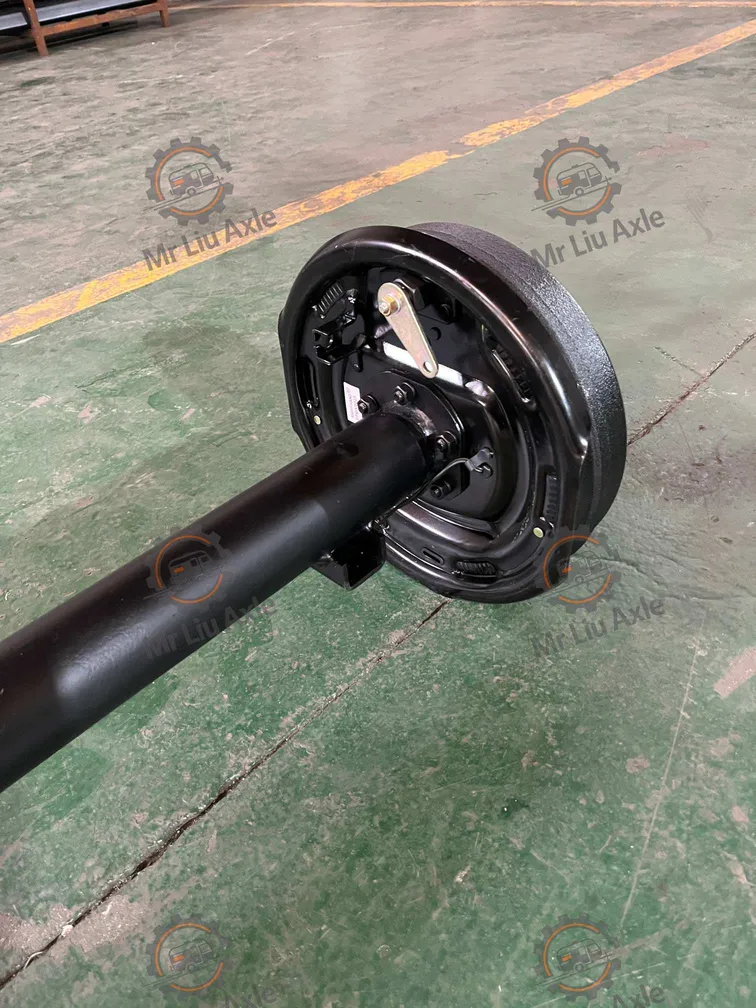
- Operación del freno: Para frenos eléctricos, Energice el imán y verifique que los zapatos se expandan uniformemente y se retraigan completamente.. Para frenos hidráulicos, conecte un actuador de prueba y confirme que el cilindro de la rueda se mueve libremente sin fugas
- inspección de soldadura: Inspeccionar visualmente todas las juntas. — husillo a tubo, soldaduras de asiento de resorte, y accesorios de soporte. Busque un ancho de cordón uniforme, penetración total, y sin porosidad ni grietas
- control de galvanizado: Utilice un medidor de espesor de recubrimiento magnético en múltiples puntos. Confirmar 60+ micrones en el cuerpo del tubo y esa cobertura se extiende dentro de los extremos del tubo y alrededor de las juntas soldadas
Una vez validada la muestra, Confirmar por escrito que el lote de producción coincidirá exactamente con la muestra. — mismo acero, mismos rodamientos, mismos componentes de freno, mismos parámetros de soldadura. Una fábrica que no puede garantizar la coherencia de los lotes no es un socio de fabricación..
Para obtener una guía práctica para inspeccionar los ejes cuando llegan, recomiendo Consejos rápidos: Cómo identificar su eje de la tienda de piezas de remolque. Cubre las medidas clave y los identificadores visuales que debe verificar en cada envío entrante..
3. Envío y embalaje: Proteja su inversión
Los ejes son pesados, extraño, e implacable. Un contenedor de 40 pies tiene capacidad para aproximadamente 200–400 conjuntos de ejes completos según el tamaño y el método de embalaje. La forma en que se empaquetan determina si llegan listos para vender o listos para desecharse..
Método de envío:
- Carga de contenedor completo (FCL): Más económico para pedidos de 200+ ejes. Obtienes uso exclusivo de un contenedor de 20 o 40 pies.. El costo del flete por eje cae significativamente en volumen
- Carga inferior a un contenedor (LCL): Adecuado para pedidos de prueba de 20–100 ejes. Su carga comparte contenedor con otros transportistas. Cuesta más por unidad y conlleva un mayor riesgo de manipulación., pero requiere menos compromiso de capital por adelantado
- Transporte aéreo: Sólo para muestras urgentes. Prohibitivamente caro para ejes completos debido al peso, pero viable para pequeñas muestras de componentes de frenos o documentación urgente
Elementos esenciales de embalaje:
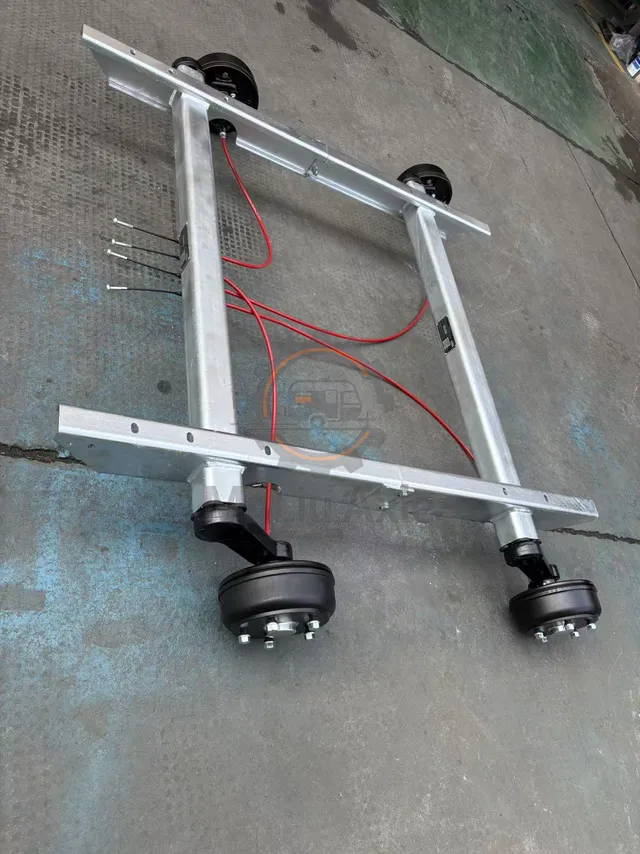
- Estanterías con estructura de acero: La mejor protección. Los ejes están asegurados en bastidores de acero soldados con espaciadores para evitar el contacto entre los cubos y los tambores de freno.. Los estantes se pueden cargar y descargar con carretilla elevadora., minimizando los daños por manipulación
- Caja de madera: Protección de nivel medio. Los ejes están sujetos a marcos de madera con bloqueo para evitar el movimiento.. Rentable para envíos LCL
- Paquetes de plástico retráctil: Opción de presupuesto. Los ejes están unidos en juegos de 5.–10 y envuelto. Está bien para rutas marítimas cortas, pero es riesgoso para entornos transpacíficos o de manejo complicado.. No recomendado para ejes frenados donde los tambores pueden entrar en contacto entre sí.
- Crítico: Cada eje debe tener una etiqueta visible o placa metálica antes de ingresar al contenedor.. Los ejes sin etiquetar en un contenedor mixto se convierten en una pesadilla de clasificación en su almacén
En el Sr. Liu Axle, Remachamos una placa de metal a cada eje antes del envío. — modelo de producto, carga nominal, fecha de producción, y número de lote. Para pedidos de contenedores, Embalamos en bastidores de estructura de acero con listas de embalaje específicas para cada eje.. Cuando abres el contenedor, sabes exactamente lo que estás mirando.
4. Tarifas y Certificaciones: Infórmese antes de realizar el envío
Cada mercado importador tiene su propia clasificación arancelaria y requisitos de documentación.. Comprenderlos antes de realizar un pedido evita sorpresas en la aduana.
Estados Unidos:
- Los ejes y piezas de remolque suelen estar incluidos en el código HTS. 8716.90 (partes de remolques y semirremolques). Los tipos arancelarios actuales varían según el país de origen y cualquier medida comercial activa.. Confirme el código exacto y la tarifa con su agente de aduanas antes de realizar el pedido.
- Documentación requerida: Factura comercial, Lista de embalaje, guía de carga, y posiblemente un certificado de origen
Canadá:
- Clasificación similar a la de EE. UU. pero bajo el Arancel de Aduanas de Canadá. Consulte el programa de tarifas de CBSA para conocer la tarifa actual sobre conjuntos de ejes y componentes.
unión Europea:
- Los conjuntos de ejes pueden clasificarse en varios códigos SA dependiendo de si se importan completos o como componentes.. El IVA se aplica en el momento de la importación más los derechos aplicables.. Considere si su proveedor puede proporcionar la documentación necesaria para el despacho de aduanas en su estado miembro específico.
Australia:
- Se aplican derechos de importación y GST. Las piezas de remolque generalmente ingresan bajo códigos HS específicos con derechos que varían según el tipo de componente.. Consulte la base de datos de tarifas de la Fuerza Fronteriza de Australia para conocer las tarifas actuales.
Sobre certificaciones: Sea realista sobre lo que su proveedor chino puede y no puede ofrecerle. Una fábrica puede garantizar las especificaciones del material., tolerancias dimensionales, y calidad de construcción. Por lo general, no pueden proporcionar la aprobación ADR. (Australia), Homologaciones tipo DOT (EE.UU), o homologaciones de tipo UE para conjuntos de ejes completos — son responsabilidad de la entidad que comercializa el remolque terminado en el país de destino.. Solicite a su proveedor certificados de materiales, informes de inspección, y especificaciones de componentes. Utilícelos como insumos para su propio proceso de cumplimiento..
5. Condiciones de pago: Estructura de protección mutua
Las condiciones de pago son donde se pone a prueba la confianza. Un nuevo proveedor quiere pago por adelantado. Un nuevo comprador quiere la entrega antes del pago. La realidad está en algún punto intermedio..
Estructuras comunes para pedidos por primera vez:
- 30% depósito, 70% contra copia del conocimiento de embarque: La disposición estándar. El depósito cubre la adquisición de material y el inicio de la producción.. El saldo se paga cuando la mercancía se carga en el barco y se emite el B/L.. Esto protege a ambas partes. — El proveedor sabe que el comprador está comprometido., el comprador sabe que los bienes existen y se envían antes de enviar la mayor parte de los fondos
- Carta de crédito (carta de crédito): Se utiliza para primeros pedidos grandes o cuando ninguna de las partes ha establecido confianza.. El banco del comprador garantiza el pago previa presentación de los documentos de envío.. Seguro pero añade comisiones bancarias ($200–500) y complejidad del papeleo
- Pago completo por adelantado: Considere esto solo para pedidos de muestra pequeños (bajo $500). Nunca para cantidades de producción
Para pedidos repetidos con proveedores establecidos:
- Términos de cuenta abierta (Neto 30/60) puede estar disponible después de 2–3 envíos exitosos. Este es el acuerdo más conveniente, pero debe obtenerse a través de un historial de pagos constante.
Consejo práctico: Utilice un método de pago seguro — transferencia bancaria a través de su banco o una plataforma verificada. Nunca envíe fondos a una cuenta personal o a una cuenta bancaria que no coincida con el nombre de la empresa en el contrato.. Si un proveedor le pide que transfiera dinero a una cuenta diferente a la utilizada anteriormente, Llámelos a un número de teléfono verificado para confirmar.. El compromiso de la cuenta de correo electrónico es un riesgo real en el comercio internacional.
6. Conceptos básicos de control de calidad: Inspeccionar, Documento, Repetir
El control de calidad no termina cuando pasa la muestra.. Es un proceso continuo que va desde la producción hasta la entrega..
Inspección previa al envío (recomendado para cada pedido):
- Contrate a un inspector externo o solicite fotografías y videos detallados de fábrica del lote de producción terminado.. Verificar dimensiones en muestras aleatorias, confirmar marcas de rodamientos, comprobar las especificaciones de los componentes del freno, e inspeccionar la cobertura de galvanizado
- Si el pedido es lo suficientemente grande ($20,000+), Considere una inspección in situ realizada por usted mismo o por una empresa de control de calidad externa contratada.. El costo ($300–800) es menor en comparación con el valor de detectar un problema antes de que el contenedor se selle
Inspección entrante (obligatorio):
- Cuando llega el contenedor, inspeccionar una muestra estadísticamente significativa antes de firmar con el transportista. Compruebe si hay daños en el envío, contar las cantidades con la lista de embalaje, y medir puntualmente dimensiones críticas
- Documenta todo con fotos.. Si hay daño o una discrepancia, Anótelo en el recibo de entrega antes de que salga el camión.. Los reclamos contra la línea naviera o el proveedor son casi imposibles sin documentación firmada del estado a la llegada.
Seguimiento continuo de la calidad:
- Mantenga registros de cada lote: fecha de producción, número de lote, resultados de la inspección, y cualquier informe de campo de sus clientes. Con el tiempo, Estos datos revelan si la calidad de su proveedor es estable., mejorando, o a la deriva
- Si surge un problema de calidad, Póngase en contacto con el proveedor inmediatamente con fotografías y números de lote.. Una fábrica confiable investigará y corregirá. Una fábrica que ignora las quejas o culpa al cliente es una fábrica para reemplazar
De nuevo, para obtener una referencia práctica sobre cómo identificar e inspeccionar los ejes cuando llegan a sus instalaciones, ver Consejos rápidos: Cómo identificar su eje de la tienda de piezas de remolque — una referencia de campo útil para el personal del almacén.
Listo para importar?
Importar ejes para remolques desde China no es complicado, pero requiere disciplina. Examina minuciosamente a tu proveedor. Pruebe una muestra antes de comprometerse con el volumen. Negociar condiciones de envío y pago que protejan a ambas partes.. Inspeccionar en producción y nuevamente a la llegada.. Seguimiento de la calidad a lo largo del tiempo. Haz estas seis cosas consistentemente, y construirá una cadena de suministro que proporcione ejes de calidad a un costo que proteja sus márgenes.
En el Sr. Liu Axle, Hemos pasado por este proceso con distribuidores y fabricantes en los EE. UU., Canadá, Europa, y Australia. Entendemos la documentación., embalaje, y verificación de calidad que los compradores internacionales necesitan. Nosotros construimos ejes de torsión y ejes de resorte a su especificación, enviar en bastidores de acero listos para contenedores, y respalde cada eje que producimos con trazabilidad completa de los lotes a través de placas de identificación metálicas.
Comenzando su búsqueda de un proveedor de ejes? Contáctenos — comenzaremos con una muestra, probar la calidad, y escalar desde allí.