

Blog
What Is a V-Bend Boat Trailer Axle?

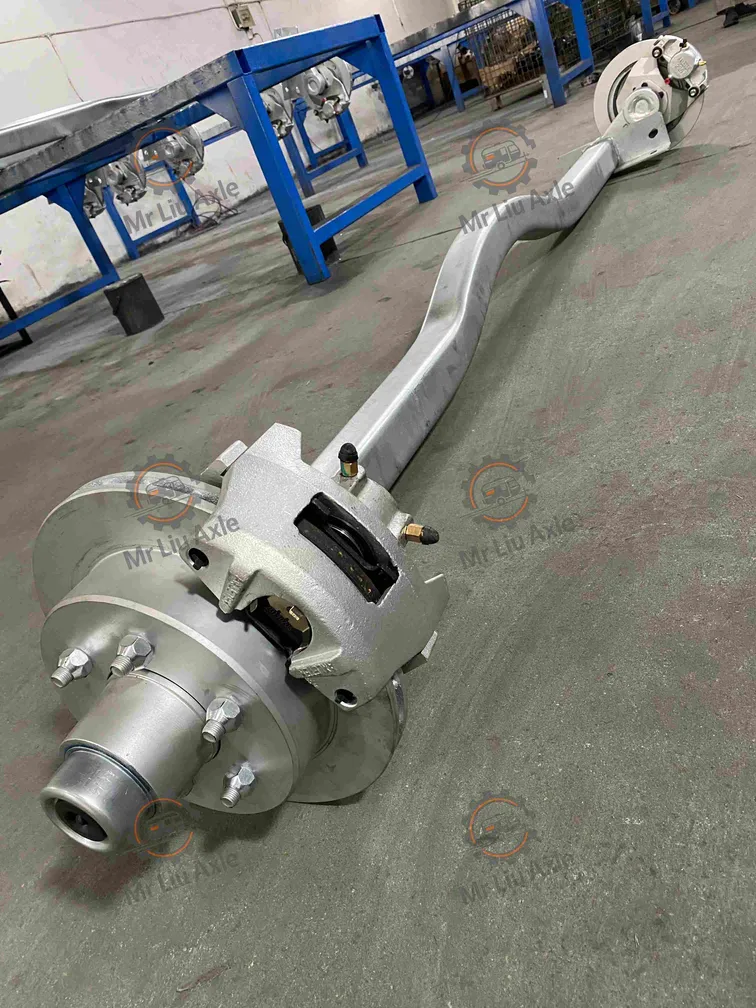
V-Bend Boat Trailer Axle: How the Right Axle Shape Protects Your Boat and Your Trailer
A technical guide from MrLiuAxle — the engineering behind the V-bend boat trailer axle, why it matters for deep-V hulls, and how marine-grade axles are manufactured to survive saltwater, launch ramps, and real-world loads.
Quick answer: A V-bend boat trailer axle is a straight axle beam pressed into a downward “V” at the center to create extra vertical clearance for a deep-V hull keel. It is a structural necessity — not a styling choice — for fiberglass runabouts and center-console boats, because without it the hull can strike the axle beam on launch ramps and uneven ground.
If you have ever looked underneath a boat trailer and noticed the axle drops down in the center, you have seen a V-bend axle. For marine-grade axle solutions designed specifically for boat trailers, see our boat trailer torsion axle product page.
What Is a V-Bend Boat Trailer Axle?
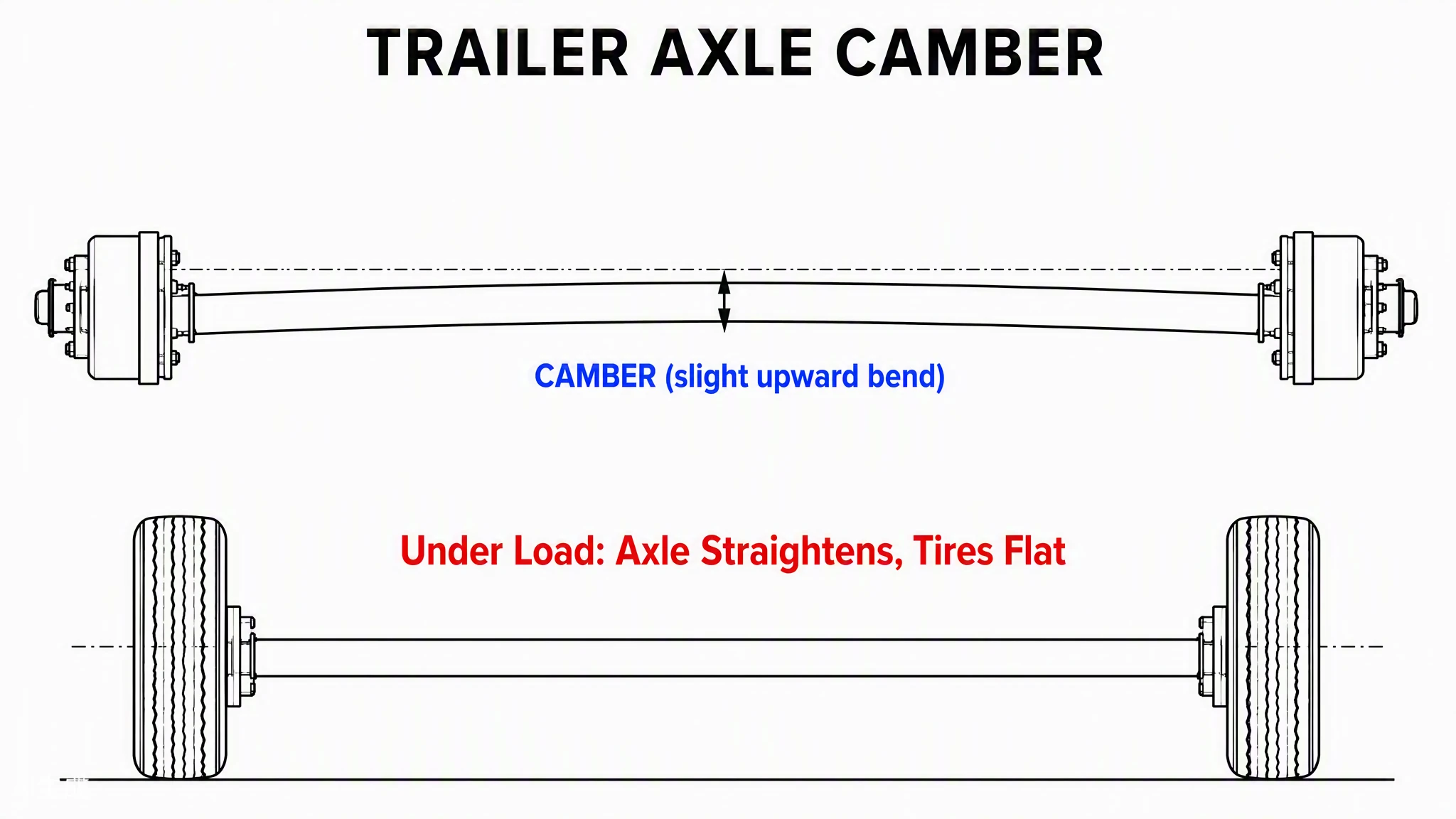
A V-bend boat trailer axle is a straight axle beam that has been pressed into a downward “V” shape at the center. Unlike camber — the slight upward bow found in a standard trailer axle — the V-bend creates extra vertical clearance for the hull of the boat, specifically the keel area on deep-V hulls.
Without this drop, the boat sits too low over the axle. On launch ramps or uneven ground, the hull can contact the axle beam, damaging both the boat fiberglass and the trailer frame. The V-bend is not a styling choice. It is a structural necessity for certain marine applications.
Why a V-Bend Matters for Marine Trailers
Boat trailers face operating conditions that utility and cargo trailers never encounter:
- Deep-V hulls: The keel extends lower into the trailer frame than flat-bottom or pontoon hulls, reducing ground clearance.
- Saltwater and road salt: Every steel surface on a marine trailer is under constant corrosion attack. The axle must be protected.
- Launch ramps: Uneven loading angles mean the hull can pivot closer to the axle at the point of maximum bend.
A V-bend solves the clearance issue while maintaining the axle’s structural integrity under rated loads. Most V-bend axles also include a drain hole at the lowest point of the bend so water does not pool inside the tube after trailer submersion.
How MrLiuAxle Manufactures a V-Bend Axle
At MrLiuAxle, we manufacture V-bend boat trailer axles from seamless square steel tubing — typically 80 × 80 × 5 mm wall thickness. A seamless tube is critical here: welded tube has a longitudinal seam that becomes a stress concentration zone right at the point of maximum bend. Under cyclic loading on rough roads or launch ramps, that seam is the first place a crack will form.
We form the V-profile on a hydraulic press using custom dies that control the bend radius and depth precisely. The press applies controlled force gradually, cold-forming the tube without heat that would alter the steel’s grain structure. After forming, the axle goes through hot-dip galvanizing with a 70–90 micron zinc coating for saltwater resistance.
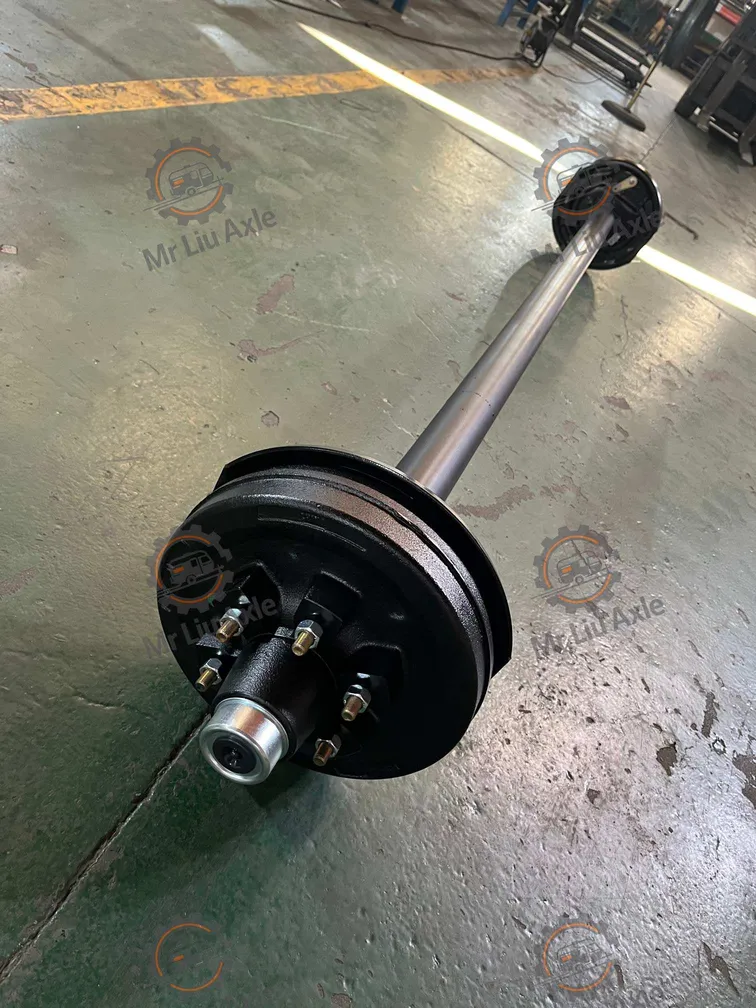
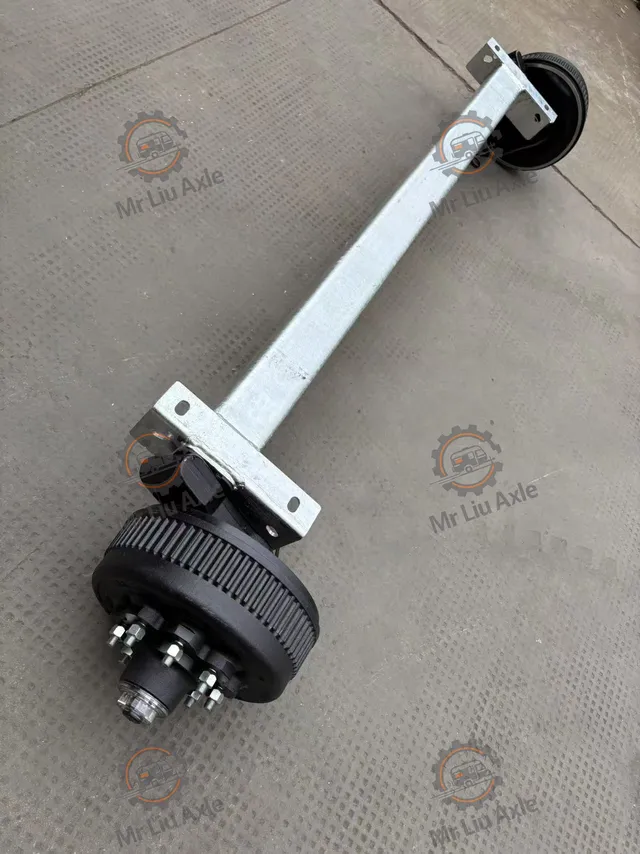
For a look at how a finished V-bend axle is specified and sold in the aftermarket, you can reference this galvanized V-bend axle with brake flange listing. It shows how hub face dimensions, brake flange fitment, and load ratings are typically presented to trailer builders.
Manufacturing Process at a Glance
| Step | Process | Why It Matters |
|---|---|---|
| 1 | Seamless square steel tube selected (80 × 80 × 5 mm typical) | No longitudinal weld seam at the bend = no stress concentration point |
| 2 | Cold-formed V-profile on hydraulic press with custom dies | Precise bend radius and depth; no heat distortion of steel grain structure |
| 3 | Drain hole drilled at lowest point of the bend | Prevents water pooling inside the tube after ramp submersion |
| 4 | Hot-dip galvanizing, 70–90 micron zinc coating | Saltwater and road-salt corrosion resistance |
Key Specs to Know When Specifying a V-Bend Axle
| Specification | Typical Value | Notes |
|---|---|---|
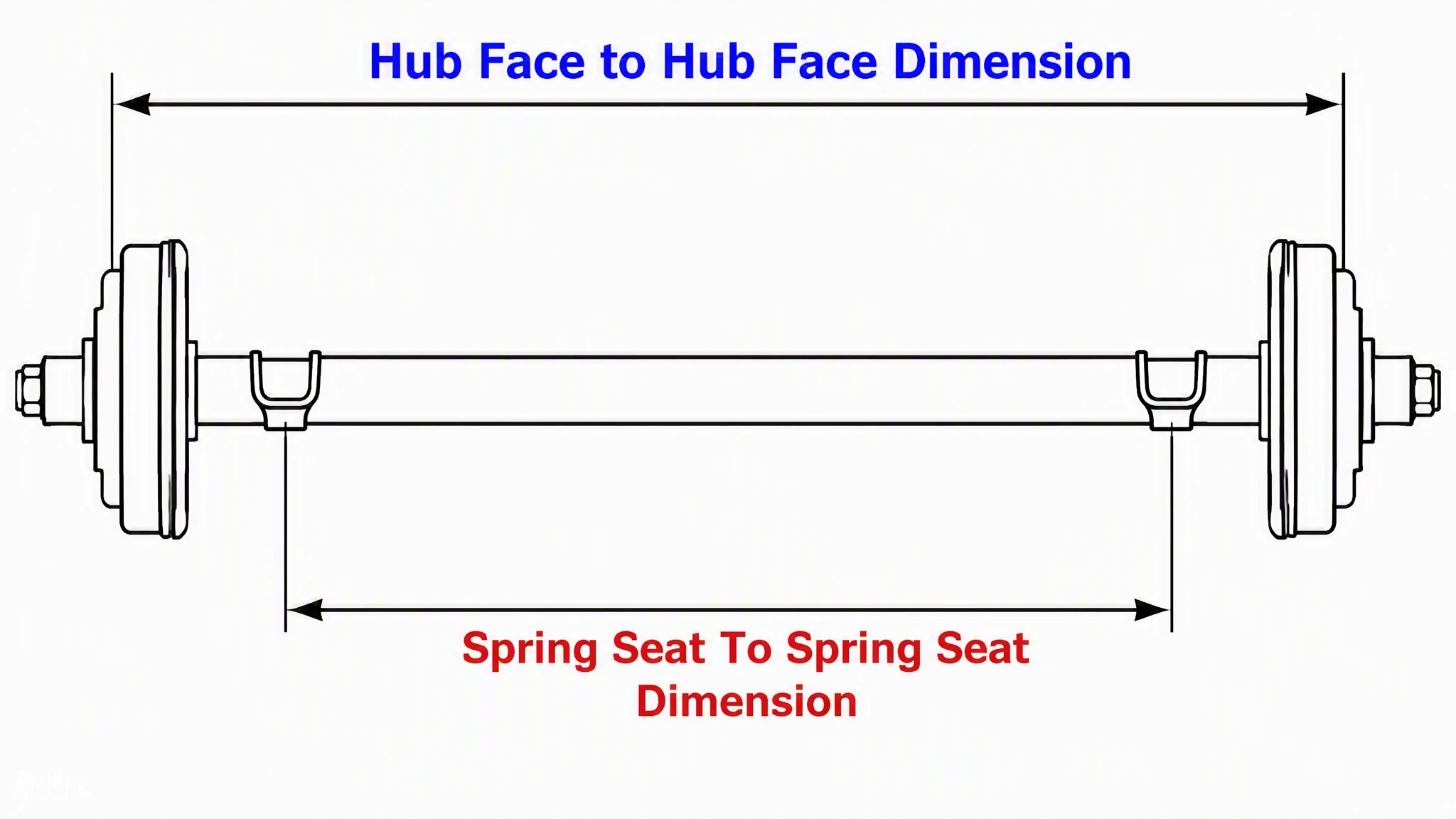
| Hub Face | 84″ – 95″ | Measured from wheel mounting face to wheel mounting face; standard boat trailer range |
| Mounting Bracket Center Distance | Adjustable or welded spring mounts | Depends on frame rail spacing |
| Capacity | 3,500 lbs / 5,200 lbs / 7,000 lbs per axle | Matches single and tandem trailer configurations |
| Spindle Bearings | 1-3/8″ × 1-1/16″ combination | Compatible with most marine hub and brake assemblies |
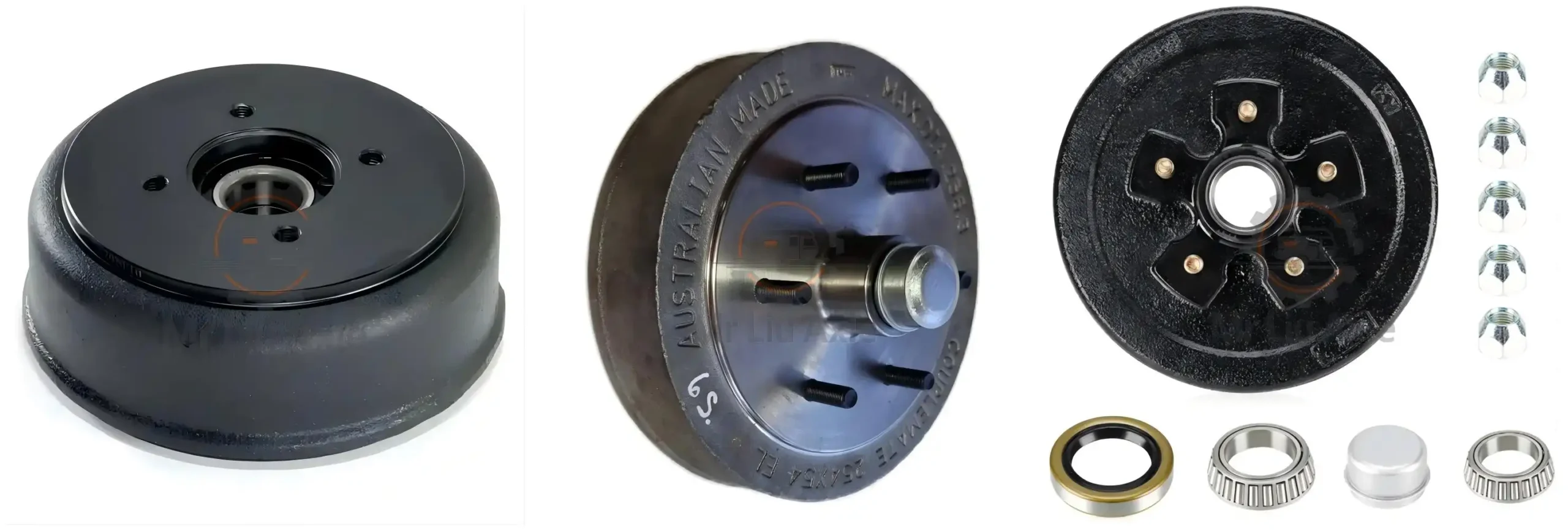
| Brake Flange Fitment | Dexter | Available on OEM and aftermarket V-bend axles |
Not Every Trailer Needs a V-Bend Axle
If you run flat-bottom jon boats or pontoon trailers, a straight axle with standard camber is usually enough. The hull geometry on those boats does not extend low enough to risk axle contact.
But for fiberglass runabouts, center-console fishing boats, or any deep-V hull, the V-bend is not optional — it is a structural necessity.
If you are specifying axles for a marine trailer build, check your hull depth at the keel before choosing a straight beam. A few inches of clearance can save thousands in hull repair.
Frequently Asked Questions
What is a V-bend boat trailer axle used for?
A V-bend axle is used on boat trailers that carry deep-V hulls. The downward “V” pressed into the center of the beam creates extra vertical clearance so the boat’s keel does not contact the axle beam during loading, on launch ramps, or on uneven ground.
What is the difference between V-bend and camber on a trailer axle?
Camber is the slight upward bow built into a standard trailer axle to compensate for load deflection. A V-bend is a much larger downward deformation at the center of the beam, created specifically to gain hull clearance. A V-bend axle can still carry camber, but the two terms describe different features.
Why is seamless steel tubing used instead of welded tubing for V-bend axles?
Welded tubing has a longitudinal seam that becomes a stress concentration zone exactly where the bend is deepest. Under cyclic loading on rough roads or launch ramps, that seam is the first place a crack will form. Seamless square steel tubing eliminates this failure point.
How is a V-bend axle protected against saltwater corrosion?
After cold-forming, the axle is hot-dip galvanized with a 70–90 micron zinc coating. This coating protects the steel in saltwater and road-salt environments, which marine trailers encounter constantly.
Do V-bend axles have a drain hole?
Yes. Most V-bend axles include a drain hole at the lowest point of the bend so water does not pool inside the tube after the trailer is submerged at the launch ramp.
What load capacities are available for V-bend boat trailer axles?
Common capacities are 3,500 lbs, 5,200 lbs, and 7,000 lbs per axle, covering single and tandem trailer configurations. Hub face is typically 84″–95″ for standard boat trailers, and spindles commonly use the 1-3/8″ × 1-1/16″ bearing combination.
Does every boat trailer need a V-bend axle?
No. Flat-bottom jon boats and pontoon trailers usually work fine with a straight axle and standard camber, because their hull geometry does not extend low enough to risk axle contact. Deep-V fiberglass boats, center consoles, and similar hulls do require a V-bend.
Final Thoughts
The V-bend boat trailer axle is one of those components most boat owners never think about — until it is wrong. Choosing the right axle shape, material, and coating protects your investment, your trailer, and your time on the water.
We build V-bend axles in standard and custom lengths for OEM trailer manufacturers and aftermarket replacement. If you need a quote on galvanized V-bend axles with Knott or AL-KO brake flanges, contact our engineering team directly — or explore our boat trailer axle range. We are here to help you build trailers that last.