

Blog
OEM vs Aftermarket Trailer Axles: What Distributors Should Know

OEM vs Aftermarket Trailer Axles: What Distributors Should Know
As a trailer parts distributor, every axle you stock is a bet on your reputation. When a customer installs an axle from your inventory and it fails — bearing seizure, spindle bend, brake drum crack — they don’t call the factory in China. They call you. Understanding the real differences between OEM-grade axles and cheap aftermarket alternatives is one of the highest-leverage decisions you can make for your business.
In this guide, I’ll break down what separates a quality axle from a liability, the hidden costs of bargain sourcing, and why an increasing number of North American distributors are cutting out the middleman and buying factory-direct.
1. OEM Quality Standards vs. “Good Enough”
OEM stands for Original Equipment Manufacturer — meaning the axle is built to the exact specification a trailer maker requires for their production line. OEM axles aren’t just “stronger.” They’re dimensionally consistent, material-certified, and manufactured with process controls that cheap aftermarket suppliers skip.
Here is what OEM-quality actually means in practice:
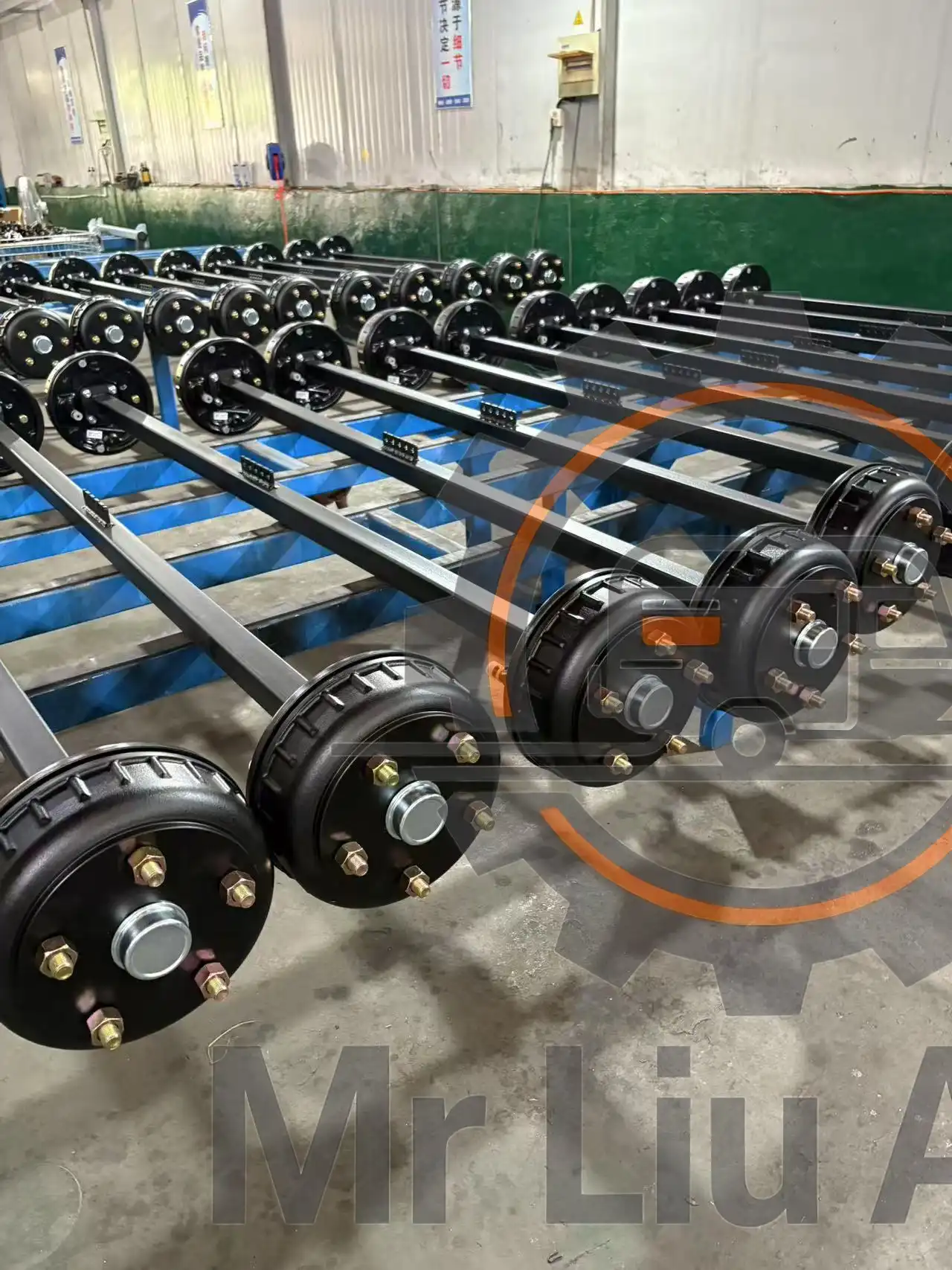
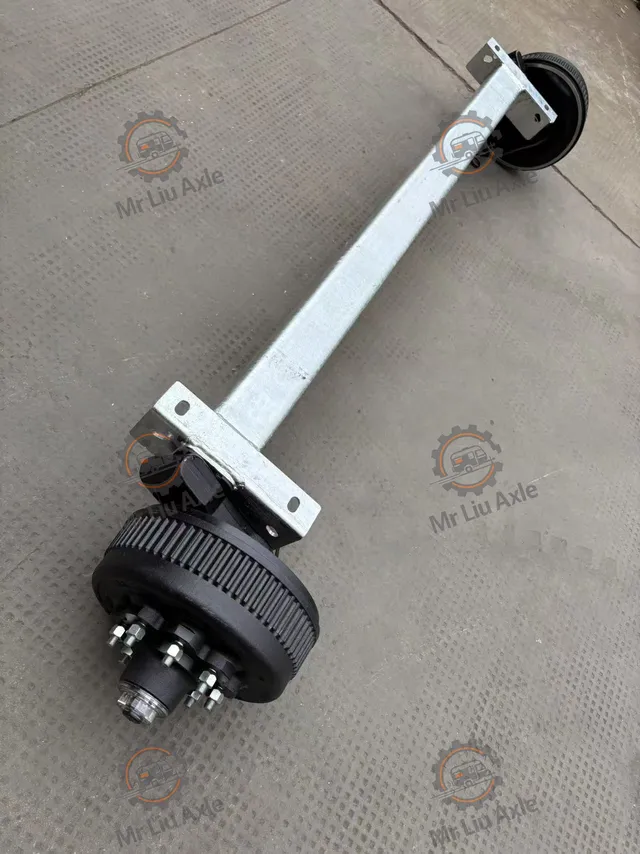
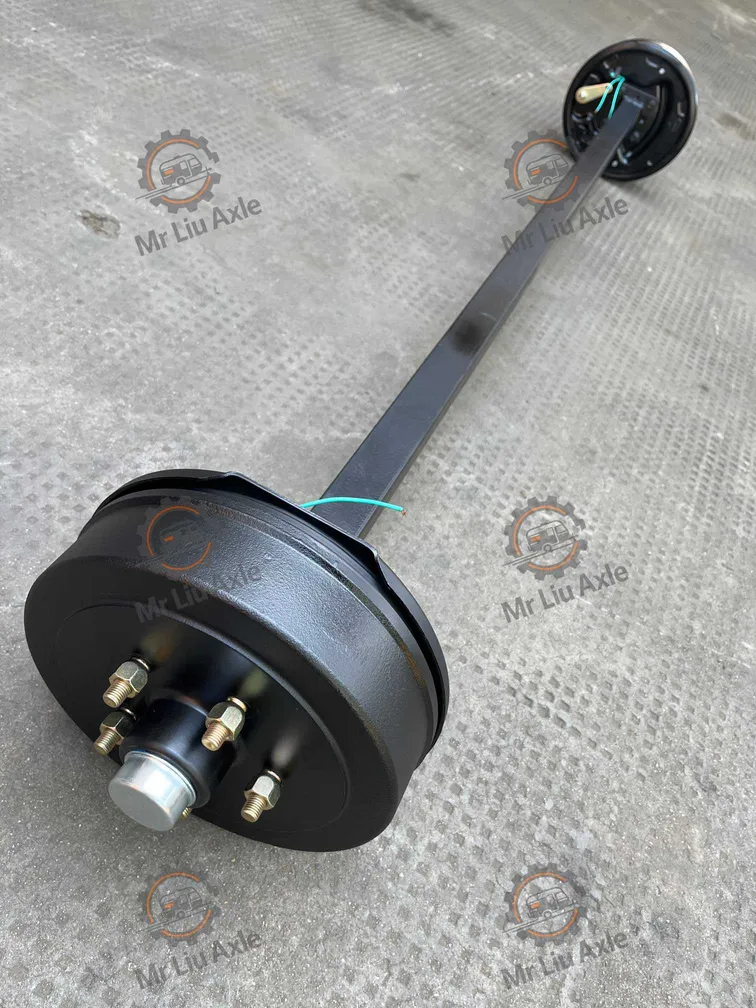
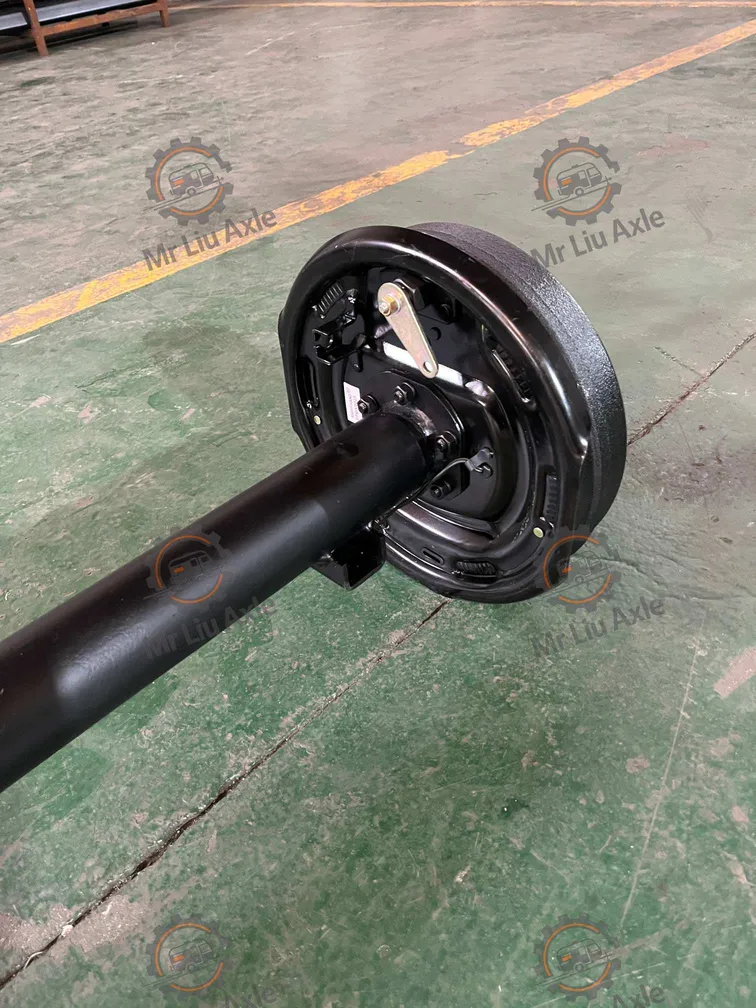
- Tubing: OEM-grade axles use seamless or high-quality drawn-over-mandrel (DOM) steel tubing with controlled wall thickness. At Mr Liu Axle, we go a step further — we developed our own proprietary steel tube dies specifically for axle production. This gives us full control over the tube’s inner diameter, ovality, and wall consistency, rather than relying on off-the-shelf pipe that was never designed to carry a spindle and hub assembly
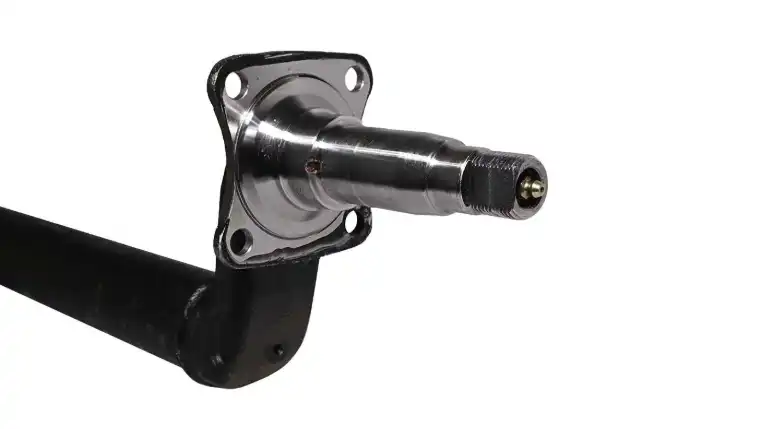
- Spindles: Forged or CNC-machined from certified alloy steel, heat-treated to specification. Cheap aftermarket axles often use cast or poorly machined spindles that develop micro-cracks under fatigue loading
- Weld quality: OEM welds are performed by certified welders with process documentation. Every joint at our factory is inspected for penetration consistency and bead uniformity
- Bearings and seals: OEMs specify branded bearings (SKF, Timken, or equivalent listed-company brands). We use Sling and Wanxiang Group (万象集团) bearings — the same quality tier trusted by major automotive suppliers
The aftermarket world is different. “Aftermarket” covers everything from genuine replacement parts to bottom-tier knockoffs. Many aftermarket axles are built to hit a price point, not a spec sheet. The tubing is thinner. The welds are faster. The bearings are unmarked generics. It all looks fine in a warehouse photo — until it’s under a loaded trailer at 65 mph.
2. The Aftermarket Price Traps
Here is how cheap axle pricing traps distributors:
The Spec Sheet Game
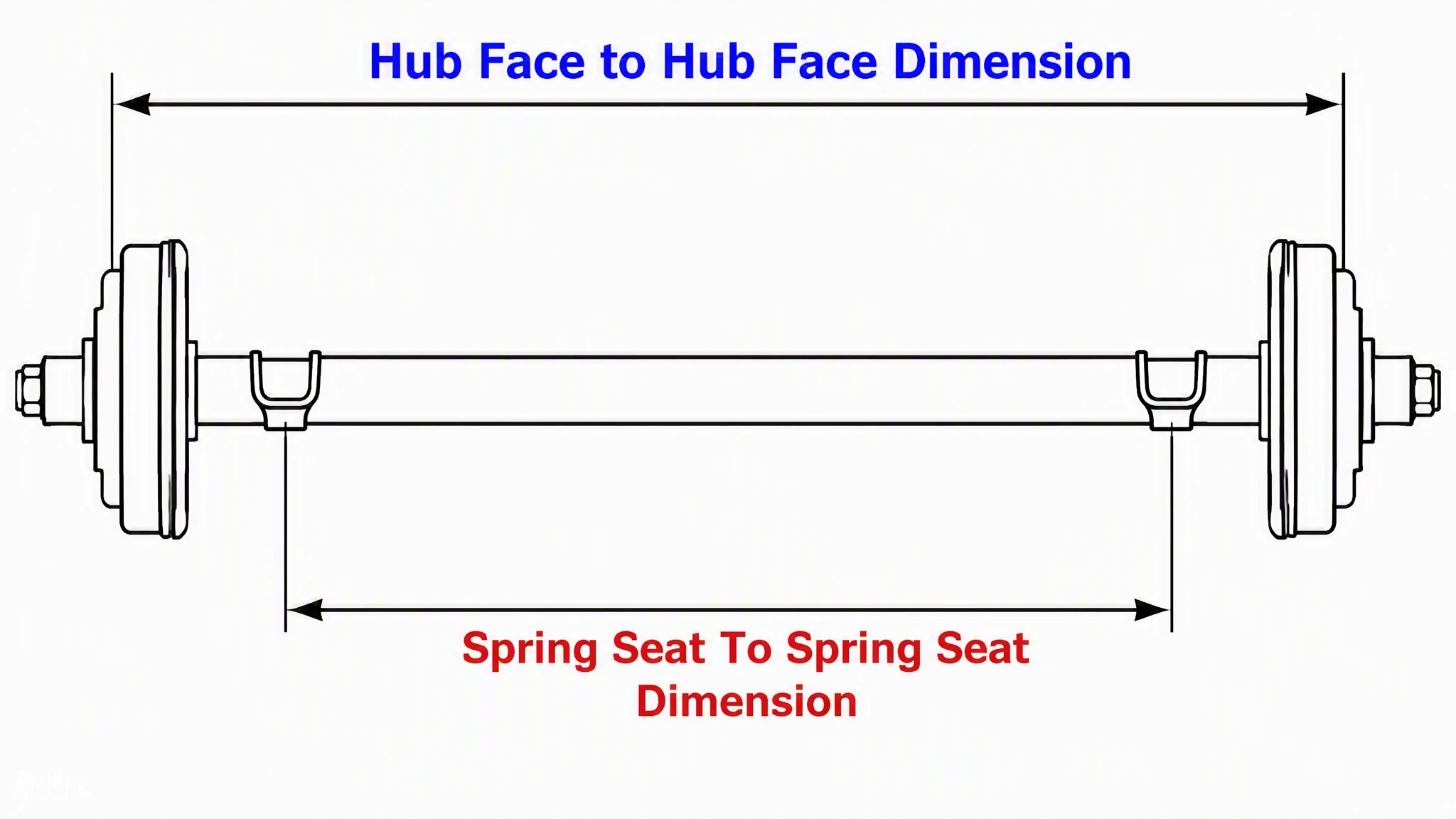
A supplier quotes you an axle at 30% below market. You order a container. When the shipment arrives, the hub face width is off by 3/8 inch, the spring centers don’t match your customer’s jig, and the brake flanges have a bolt pattern you’ve never seen before. Fixing this costs more than buying the right axle in the first place.
The Bearing Time Bomb
Unmarked bearings from unknown factories spin smoothly on arrival. Six months and 4,000 miles later, the grease has broken down, the races are pitted, and your customer is stranded on I-80. A $12 bearing just turned into a $400 roadside service call — and a one-star review with your company’s name on it.
The Galvanizing Mirage
“Hot-dip galvanized” in a product description often means a thin electroplated coat or spray-on zinc paint. Real hot-dip galvanizing adds 15–20 years of corrosion protection. Fake galvanizing adds a shiny surface that rusts through in two winters. At Mr Liu Axle, our hot-dip galvanizing runs 60–100 microns — thick enough that you can measure it with a gauge and see the crystalline spangle pattern that proves it’s the real process.
The bottom line? A cheap axle that fails in the field costs you 5–10x more than a quality axle in warranty claims, lost customers, and brand damage. Price is what you pay. Cost is what you actually spend.
3. Bulk Procurement QC — What to Check on Every Shipment
If you’re buying axles by the container, you need a systematic QC process. Here is a practical checklist for inspecting a bulk shipment:
| Check Point | Method | What Passes |
|---|---|---|
| Dimensional accuracy | Measure hub face, spring center, and overall length on random samples (AQL 2.5) | Within ±1/16″ of specification |
| Weld inspection | Visual + dye penetrant on spindle joints | Uniform bead, no cracks, full penetration |
| Bearing spin test | Hand-rotate every hub assembly | Smooth, silent, zero lateral play |
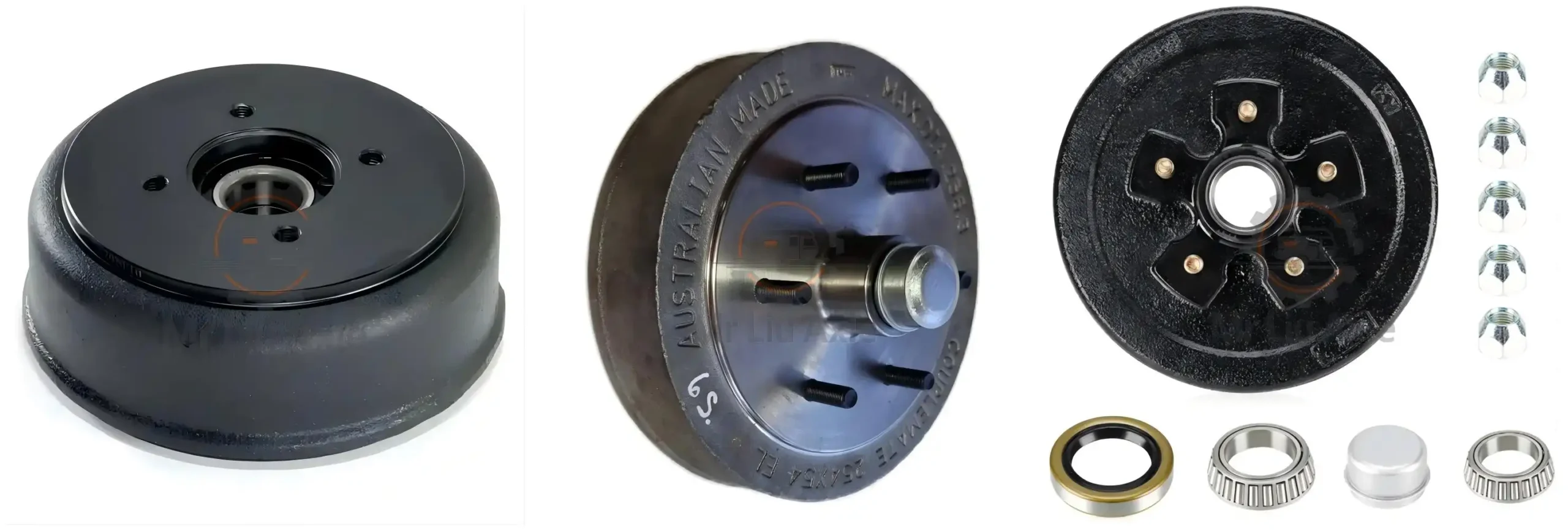
| Brake drum surface | Caliper measurement + visual inspection | Correct ID, clean machining, no scoring |
| Galvanizing thickness | Magnetic coating gauge on 5+ points per axle | 60–100 microns, full coverage |
| Load marking verification | Read metal nameplate or stamp on every axle | Legible capacity rating, model, batch number |
At Mr Liu Axle, we perform inline QC at multiple production stages — tubing inspection, post-weld check, pre-galvanizing measurement, and final assembly verification. We also install a riveted metal nameplate on every axle showing the product model, rated load, production date, and batch number. This means if a distributor ever has a question about a specific axle, we can trace it back to the exact production run, steel batch, and welder station.
For distributors ordering 3,500–7,000 lb torsion axles or spring axles in volume, this traceability is critical. It turns a potential warranty nightmare into a data-driven conversation.
4. Supplier Audit Checklist — Vet Before You Commit
Before placing a large order with any axle manufacturer — including us — run through this audit checklist. A legitimate factory will have clear answers. A trading company or cut-rate operation will dodge, delay, or make excuses.
- Do you own the factory? Ask for a video factory tour with a timestamp. Trading companies show you someone else’s facility
- What steel do you use? Look for specific grade answers (e.g., 45# steel, 40Cr for spindles), not vague “high-quality steel.” At Mr Liu Axle, we use certified steel with mill test reports, and our proprietary tube dies ensure consistent material performance
- What bearings do you install? “Brand-name bearings” is not an answer. We specify Sling and Wanxiang Group — listed manufacturers with public quality records
- What is your galvanizing process? Hot-dip vs. electroplating makes a 10-year difference in corrosion protection. Ask for coating thickness data
- Can you provide dimensional inspection reports? A real manufacturer has them. A broker has excuses
- What is your defect rate and return history? Honest factories know their numbers. Dishonest ones claim “zero defects”
- Do you nameplate every axle? If the answer is no, you have no traceability when something goes wrong
Run this checklist on three suppliers. The one that answers directly, provides documentation, and invites scrutiny is your manufacturing partner. The one that disappears for two days and comes back with a price cut instead of an answer is your liability.
5. The Factory-Direct Advantage
Most distributors in North America buy trailer axles through one of three channels:
- Domestic distributors/brands (e.g., Lippert) — fast delivery, local support, higher unit cost
- Import trading companies — moderate pricing, inconsistent quality, no engineering access
- Factory-direct from overseas manufacturers — best unit pricing, full spec control, requires planning for ocean freight
Channel 1 is safe but expensive. Channel 2 is where most distributors get burned. Channel 3 — factory-direct — is where smart distributors are moving, especially for high-volume, standardised axle specifications.
Here is what factory-direct from Mr Liu Axle looks like:
- Custom specs without the custom price: Hub face width, spring center, brake type, bolt pattern — built to your exact requirement, not pulled from a limited catalog
- Proprietary tooling advantage: Our self-developed steel tube dies mean we control the most critical component of the axle from raw material to finished product. This is not off-the-shelf tubing re-purposed for axles. It is tubing purpose-built for axle loads, fatigue cycles, and spindle press-fit requirements
- Transparent pricing: No trading company markup, no brand-name premium, no mystery fees. You pay for steel, machining, assembly, and galvanizing — and you see the breakdown
- Direct engineering communication: Questions about load ratings, brake compatibility, or galvanizing specs go straight to the production floor, not through a chain of intermediaries
- Container-load efficiency: Order 200, 500, or 1,000+ axles per shipment. The per-unit savings vs. domestic wholesale pricing typically run 25–40%, even after freight and duties
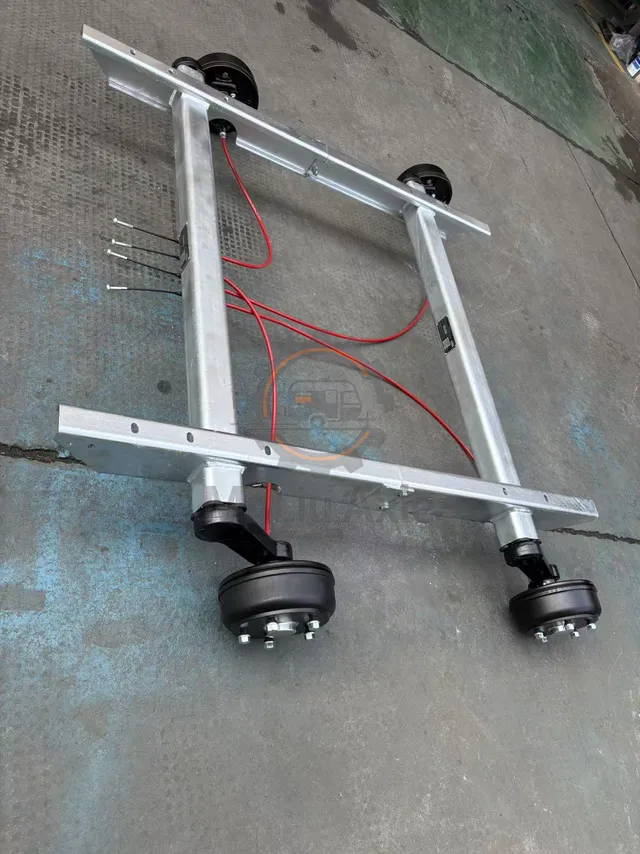
For heavy-duty applications, our 8,000 lb torsion axle with electric brake offers the same factory-direct value for higher-GVWR builds — horse floats, heavy equipment trailers, and large cargo haulers.
Further Reading
For Lippert’s perspective on selecting the right trailer axle for your application, see How to Select the Right Trailer Axle. Lippert remains a major player in the North American aftermarket, and their guide offers useful context on axle selection criteria — particularly helpful if you’re comparing domestic vs. import sourcing strategies.
Ready to Cut Out the Middleman?
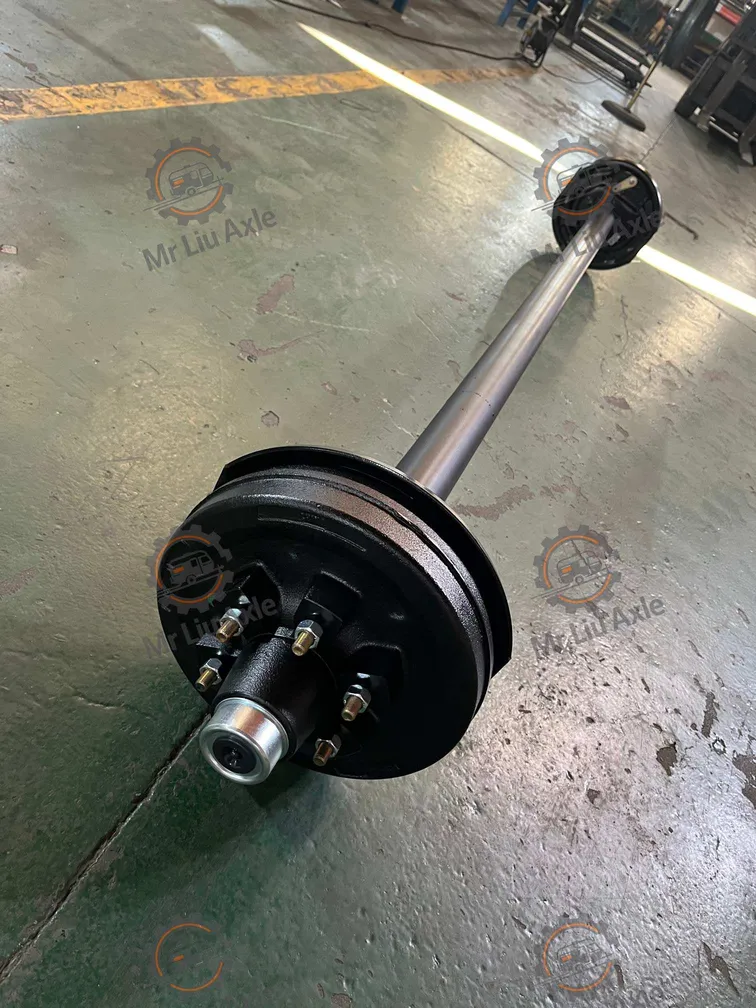
At Mr Liu Axle, we build torsion axles and spring axles for distributors and OEM customers across the US, Canada, and Mexico. We control our steel tubing through proprietary tooling, use listed-company bearings, hot-dip galvanize to spec, and nameplate every axle for full traceability.
Contact us with your spec sheet and annual volume. We’ll quote a factory-direct program that protects your margins and your reputation.