

Blog
Single Axle vs Tandem Axle Trailers: Choosing the Right Setup and Maintenance Tips

Single Axle vs Tandem Axle Trailers: Choosing the Right Setup and Maintenance Tips
Understand the real-world differences between single and dual axle configurations, learn where each shines, and discover the maintenance habits that keep tandem setups safe for the long haul.
When builders and trailer owners call us asking for advice on axle configuration, the most common question is: “Should I go with a single axle or a tandem axle setup?” The honest answer is — it depends on what you’re hauling, where you’re driving, and how much safety margin you want. In this guide, we’ll break down the practical differences between single and tandem axle trailers, explain the best use cases for each, and share proven maintenance practices that keep dual-axle trailers performing reliably year after year.
Single Axle Trailers: When Simplicity Wins
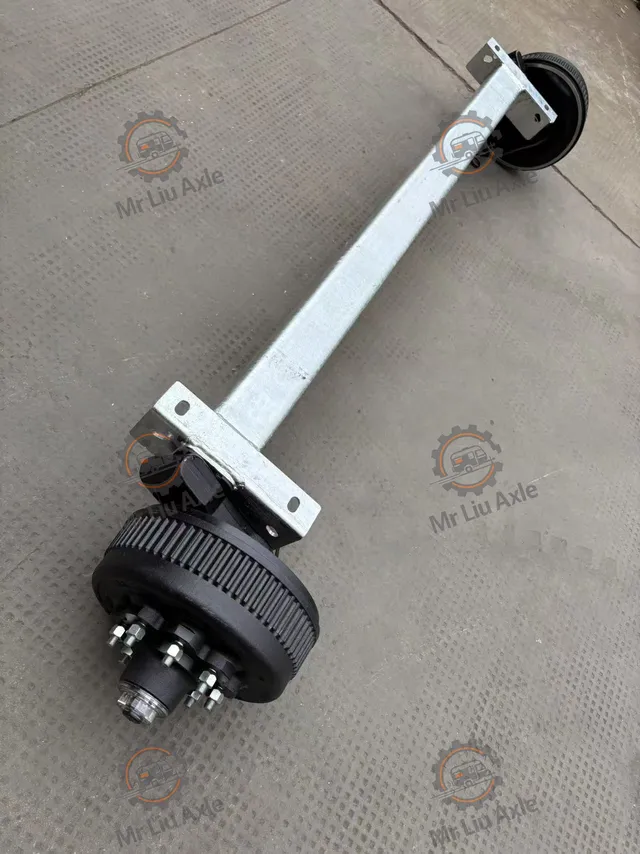
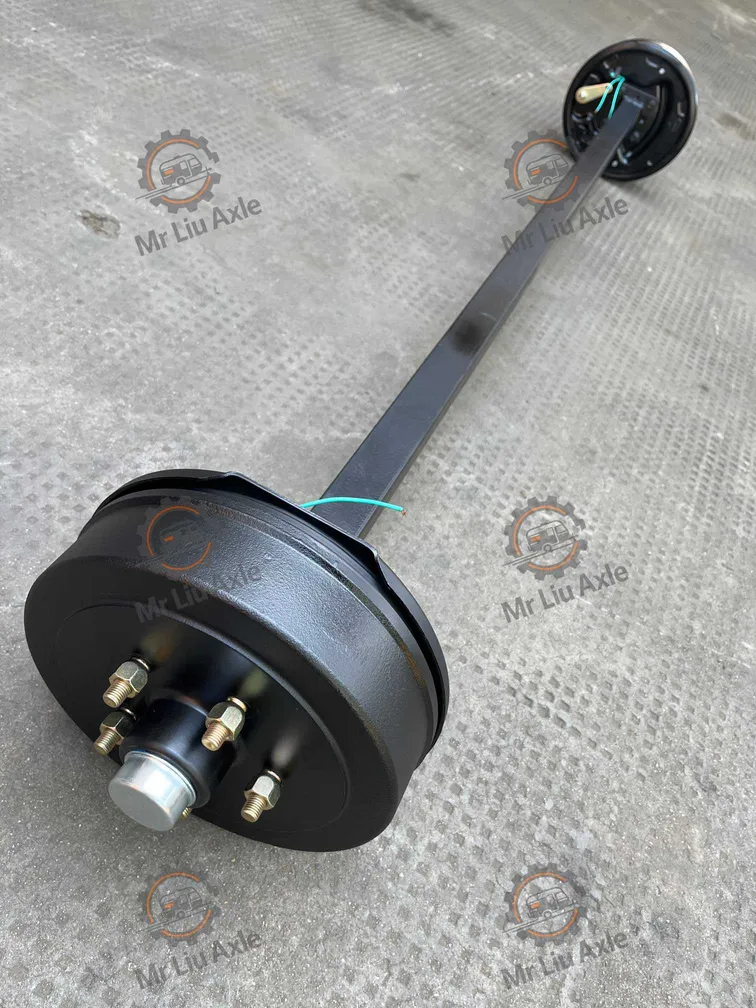
A single axle trailer is exactly what it sounds like — one axle, two wheels, and a straightforward suspension. For light-duty hauling, this is often the most cost-effective and practical choice.
Best Use Cases for Single Axle
- Small box trailers and utility trailers with a Gross Trailer Mass (GTM) under 750 kg
- Light landscaping or gardening equipment transport
- Short-distance towing on paved roads
- Personal watercraft or small boats under 4 metres
- Budget builds where purchase price and registration costs matter
Limitations to Keep in Mind
Single axle trailers do have boundaries you need to respect. First, safety redundancy — if you get a tyre failure at highway speed, the trailer has no backup support. A single tyre blowout can cause immediate loss of control. Second, load capacity is capped by the axle rating; pushing beyond it isn’t just unsafe — in many regions it’s illegal. Third, single axle setups transfer every road shock directly into the chassis, which can be rough on both the trailer and your cargo over long distances.
As a practical rule: once your trailer’s loaded weight consistently exceeds 750 kg, or you’re towing long distances over uneven terrain, it’s time to consider upgrading to a tandem setup.
Tandem Axle Trailers: Strength, Stability & Safety Margin
A tandem axle trailer uses two axles — typically with four wheels — connected by a load-sharing suspension system. The core principle is effective load distribution. Unlike a single axle, which transfers every shock directly through the chassis, a tandem configuration uses a rocker or equaliser bar between the springs to transfer a portion of impact from one wheel to the other on the same side, smoothing out the ride and keeping all four tyres in contact with the road.
Key Advantages of Tandem Axles
| Feature | Single Axle | Tandem Axle |
|---|---|---|
| Load capacity | Up to ~750–1,500 kg | 2,000–4,500 kg GTM |
| Tyre failure safety | Immediate loss of control | 3 remaining tyres maintain balance |
| Ride quality | Rougher on uneven roads | Smoother load-sharing suspension |
| Tongue weight on tow vehicle | Higher concentration | Better distribution across axles |
| Long-distance towing | Acceptable for short trips | Ideal for extended highway use |
| Maintenance complexity | Lower | Moderate (more components) |
Where Tandem Axles Shine
- Heavy-duty box trailers for tradespeople carrying tools and materials over 2,000 kg GTM
- Large boat trailers for vessels over 5 metres, especially in marine environments
- Car carriers and plant trailers where low centre of gravity and predictable handling are vital
- Off-road camper trailers crossing rough terrain far from assistance
- Livestock and horse floats requiring maximum stability and safety margin
Tandem Axle Maintenance: A Practical Schedule
A tandem axle trailer only performs as well as its maintenance routine. The good news is that most upkeep tasks are straightforward and can be done with basic hand tools. The key is consistency — catching a small issue early prevents it from becoming a major roadside breakdown.
Industry experience, as noted by specialists at Superior Trailer Parts, confirms that a consistent inspection routine is the best defence against unexpected downtime. A visual and physical check of all suspension components should be part of your pre-trip checklist.
Maintenance Schedule at a Glance
| Interval | Task | Why It Matters |
|---|---|---|
| Before every trip | Visual check of tyres, U-bolts, and spring hangers | Catches obvious damage before you leave |
| First 500 km (break-in) | Re-torque all U-bolt nuts | New springs settle; slack can cause loose axles |
| Every 5,000 km | Inspect leaf springs for cracks; check shackle bolts and bushings | Prevents fatigue failure on the road |
| Every 10,000 km or 12 months | Grease all shackle pins and equaliser rockers | Prevents seizure; doubles bushing life |
| Every 15,000 km | Full suspension inspection + tyre rotation and alignment check | Uneven wear signals alignment or suspension issues |
| After saltwater immersion | Rinse components with fresh water; re-grease moving parts | Prevents corrosion in marine environments |
What to Look For During Inspection
- Leaf springs: Check for cracks, fractures, or flattened leaves. A spring that has lost its arch is overloaded or fatigued and must be replaced.
- Hangers and shackles: Inspect for cracks around welds or signs of elongation in bolt holes.
- U-bolts: Ensure nuts are tight and check for stretching or thread damage. Correct U-bolt tension is non-negotiable for safety.
- Bushings: Look for perished or deformed nylon/brass bushings. Use a pry bar to check for excessive movement.
- Tyres: Uneven wear — scalloping or excessive wear on one edge — is often the first sign of an alignment or suspension problem.
- Equaliser bar: Make sure it pivots freely and shackle plates hang vertically and parallel to the springs.
Don’t Skip the Break-In Period
This is the step most owners overlook. After the first 500 kilometres on a new tandem axle setup, you must re-torque all U-bolts. New springs settle into place during initial use, and this natural settling can create slack. Failure to re-tighten U-bolts can lead to a loose axle — a significant safety hazard that takes just minutes to prevent.
As Superior Trailer Parts’ technical guide emphasises, proper installation ensures your axles track straight, your load is distributed correctly, and your trailer remains stable on the road. An axle that is out of square by even a few millimetres will cause the trailer to “crab” sideways, leading to accelerated tyre wear and unsafe handling.
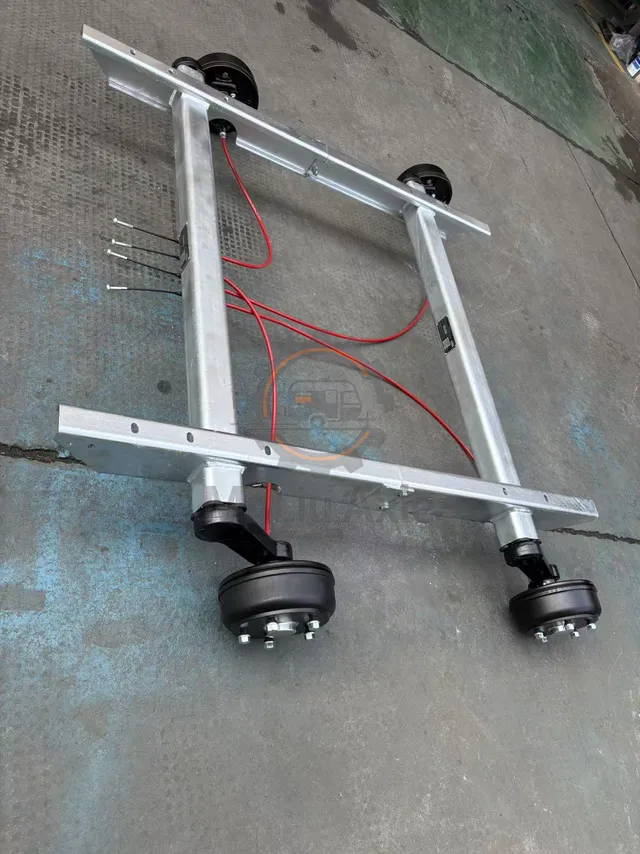
Our Experience with Knott Tandem Torsion Axle Chassis Assemblies
Built for Real-World Demands
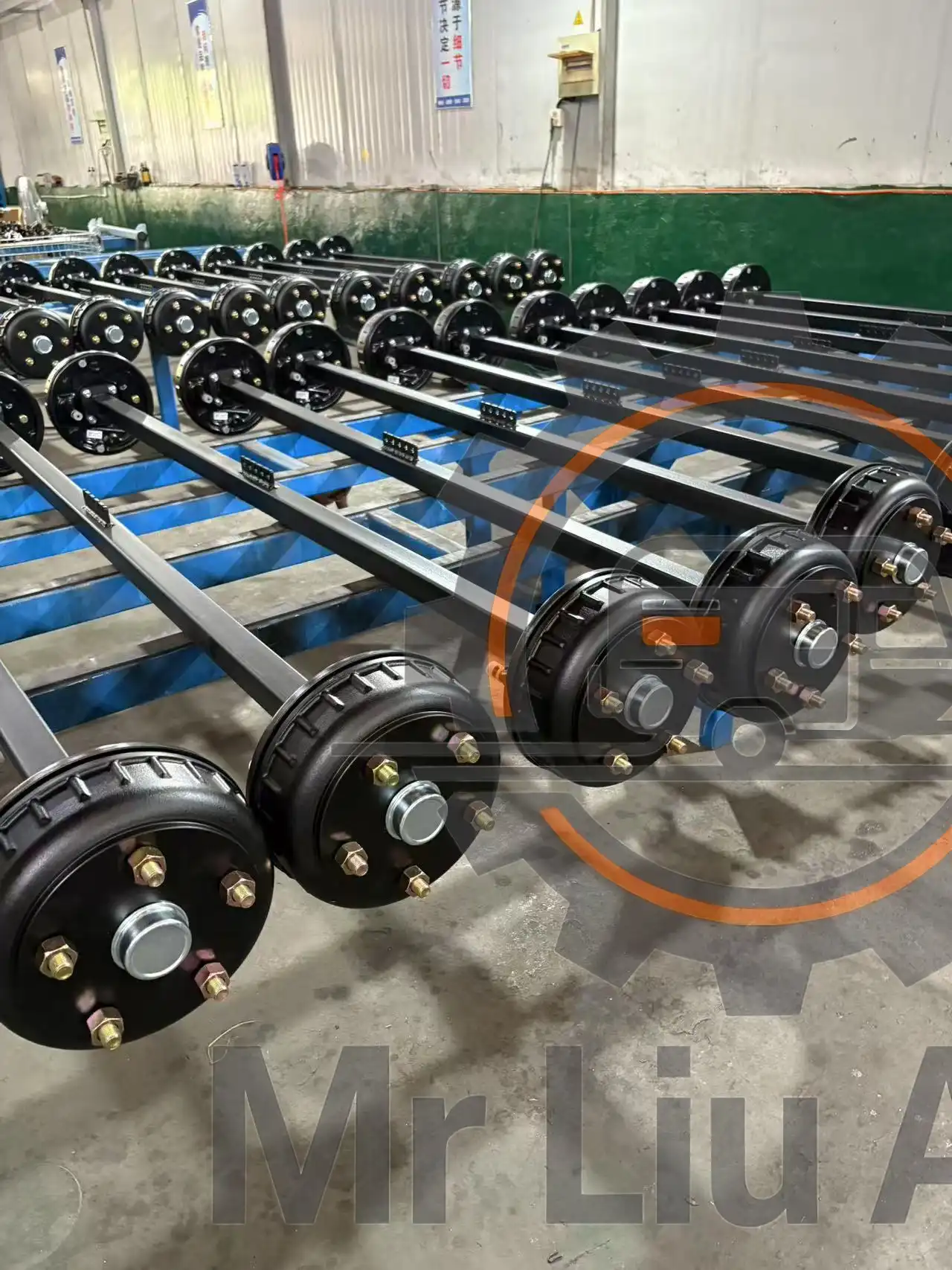
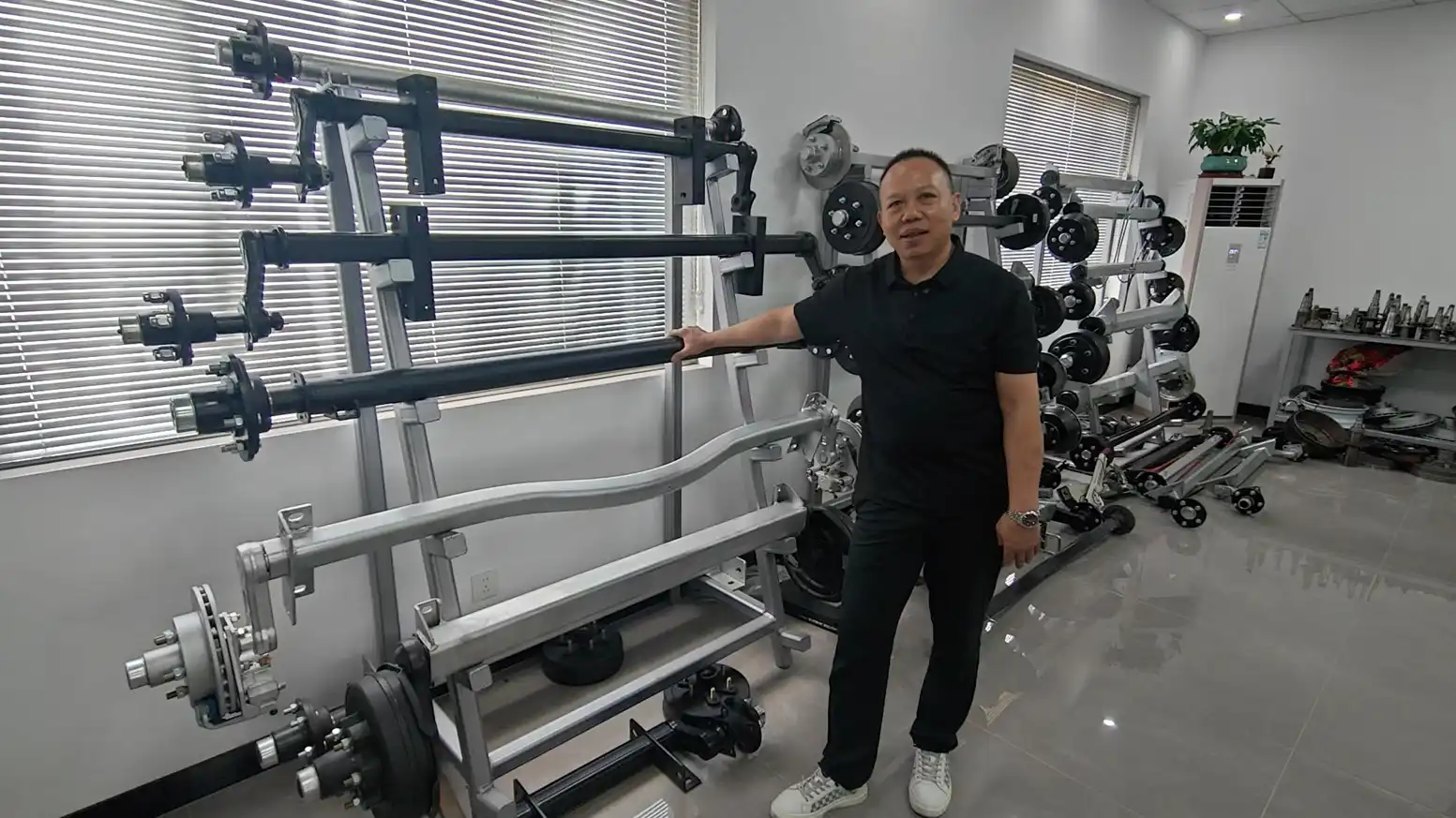
At MrLiuAxle, we have hands-on experience producing Knott-compatible tandem torsion axle trailer chassis assemblies for OEM clients. These aren’t just theoretical builds — they’re complete undercarriage solutions engineered to match Knott hub profiles, brake specifications, and load ratings, tailored to each customer’s frame dimensions and GTM requirements.
If you’re sourcing a tandem axle chassis for a caravan, off-road camper, or heavy-duty box trailer, contact our team to discuss specifications.
We’ve found that builders who switch from generic leaf-spring setups to properly specified tandem torsion axle assemblies consistently report three improvements: better ride quality for sensitive cargo, reduced trailer sway at highway speeds, and longer component life due to proper load sharing between axles.
The key to a successful tandem build isn’t just adding a second axle — it’s matching both axles to identical load ratings, hub profiles, and braking systems. Using mismatched axles causes uneven weight distribution, rapid tyre wear, and dangerous instability on the road. Industry guidance confirms that you must never use different-sized axles in a tandem suspension setup — both axles need identical specifications to ensure correct load sharing and braking performance.
Quick FAQ
Can I upgrade my single axle trailer to tandem?
Yes, but it’s a major modification. You’ll need significant chassis work — welding new spring hangers, possible frame reinforcement, a complete tandem suspension kit, and a second matching axle. In many regions, this conversion must comply with local design rules and may require an engineer’s certification. For most builders, ordering a purpose-built tandem chassis from the start is more cost-effective.
Do both axles need brakes?
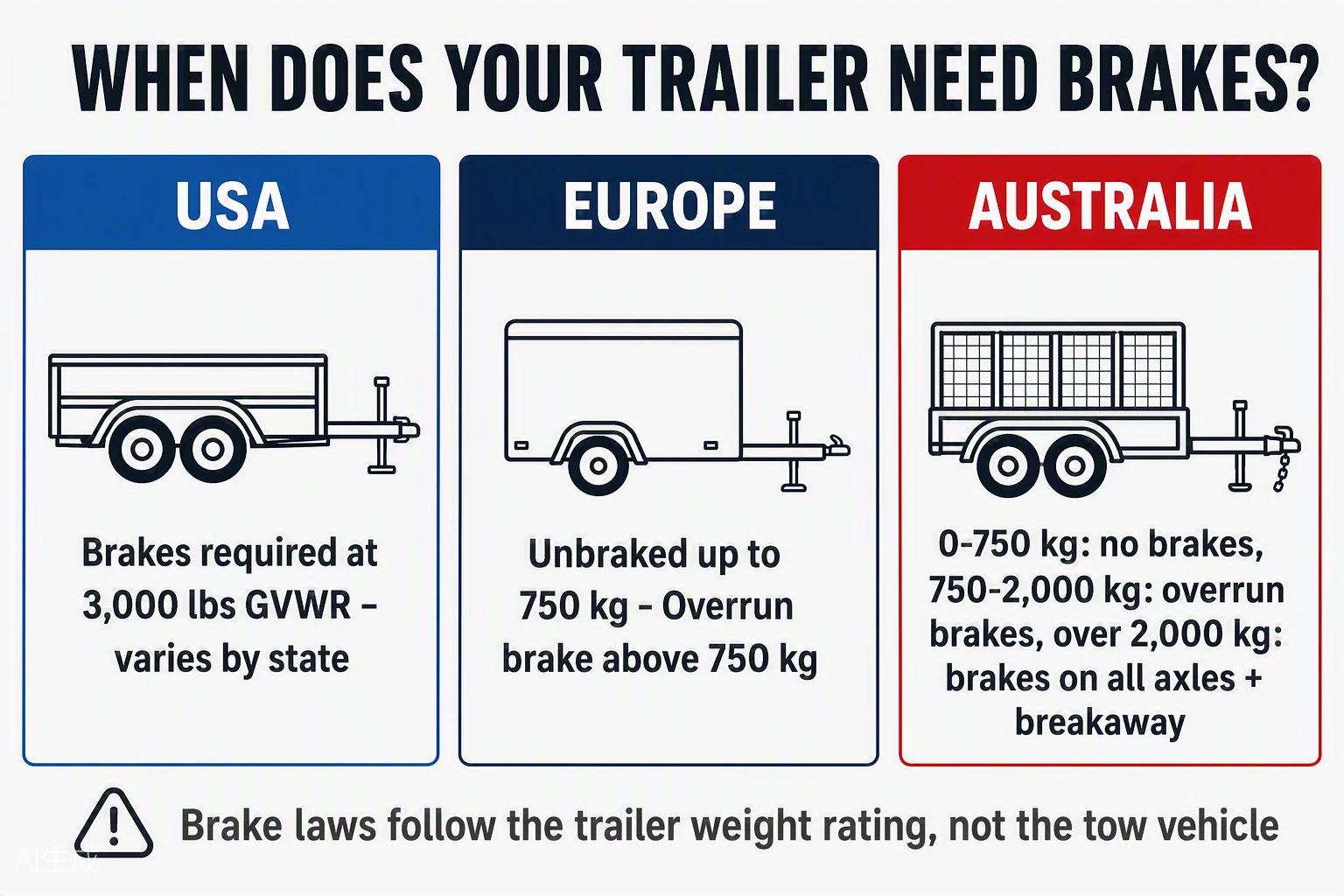
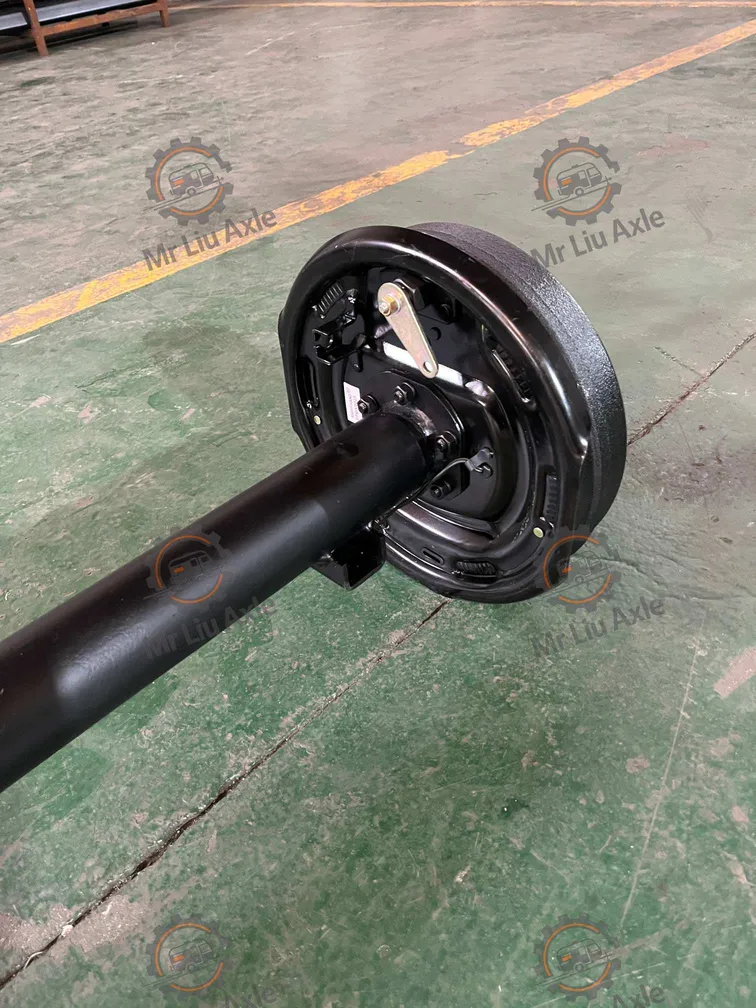
In Australia, the EU, and most US states, trailers with a GTM exceeding 2,000 kg legally require brakes on all axles. For a typical 3,500 kg tandem trailer, both axles must be fitted with functioning brakes — usually electric drum brakes or hydraulic disc brakes depending on the market. Equipping only one axle with brakes creates insufficient stopping power and may be illegal.
How long do tandem axles last?
With proper maintenance, a quality tandem axle setup can last 10–15 years. The critical wear items are bushings (replace every 5–7 years depending on use), leaf springs (inspect annually for cracks), and brake linings (replace when worn to manufacturer limits). Axles themselves rarely fail unless overloaded or subjected to impact damage.
What’s the difference between slipper springs and rocker roller?
Slipper springs are simpler and more cost-effective — ideal for light-to-medium duty trailers up to 2,000 kg. Rocker roller systems provide superior load sharing and smoother ride quality for heavy-duty applications like caravans, horse floats, and plant trailers over 2,000 kg GTM. The right choice depends on your load, terrain, and budget.
Final Takeaways
- Single axle trailers are perfect for light loads under 750 kg, short trips, and budget-conscious builds.
- Tandem axle trailers offer the safety margin, load capacity, and stability needed for heavy-duty hauling, long distances, and commercial use.
- The break-in re-torque at 500 km is the most overlooked yet critical maintenance step.
- Consistent greasing every 10,000 km prevents seized shackle bolts and extends bushing life significantly.
- Never run mismatched axles in a tandem setup — identical ratings, hubs, and brakes are essential.
Choosing between single and tandem axle isn’t about what’s “better” — it’s about matching the hardware to your actual hauling needs. And once you’ve made that choice, a simple maintenance routine is all it takes to keep your trailer safe and reliable for years of service.